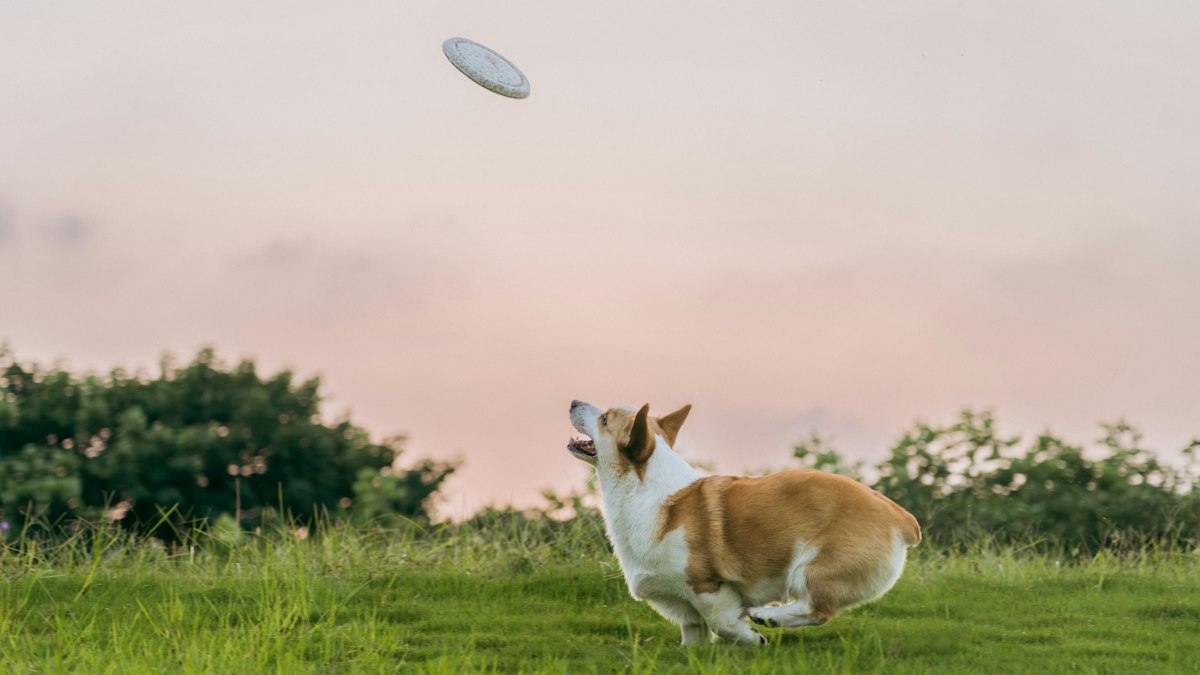
A dog who leaps on guests, grabs sleeves and bounces off strangers at the park can be embarrassing, and sometimes risky for children or older people. If you have been asking “why does my dog jump on everyone?”, the answer is usually simple: your dog is excited, wants attention and has learned that jumping gets it. With a clear plan, you can teach calmer greetings without harsh methods.
Quick answer
Dogs jump on people to get close to faces, say hello and earn attention. Even pushing your dog away or saying “no” can feel like a reward. To stop a dog jumping on people, manage greetings so jumping cannot succeed, give your dog a clear alternative such as sitting or keeping four paws on the floor, and reward that calm behaviour every time. Ask visitors to help, and practise before guests arrive rather than during the chaos.
Why does my dog jump on everyone?
Why do dogs jump on people when they greet them?
Dogs naturally greet each other face to face. Our faces are high up, so jumping is their way of getting closer. Many puppies are also cuddled when they jump, which teaches them early that it works.
Is my dog jumping because he is dominant?
No. Jumping is about excitement, attention and learned habits, not trying to control you. Methods based on “dominance” or “alpha” ideas tend to create fear and confusion.
Why does my dog jump on me when I come home?
Your return is the most exciting moment of your dog’s day. If you greet them warmly while they are jumping, the habit grows stronger. Waiting for four paws on the floor before you say hello changes this quickly.
Why does my dog jump on strangers but not on me?
New people are novel and exciting, and strangers often react with squeals or petting, which rewards the jumping. Some dogs also jump when they feel unsure, as a way to check out someone new.
Can jumping be a sign of anxiety?
Sometimes. A dog who jumps with a tense body, licks lips, or follows you constantly may be feeling unsure. If you notice clinginess too, our article on why your dog follows you everywhere may help.
Why does my dog jump and nip?
Over-excited dogs, especially puppies and adolescents, often add mouthing to their jumping. It is usually play rather than aggression, but it still needs calm, consistent training.
How to stop a dog from jumping on people
This step-by-step plan teaches your dog what to do instead of jumping. It works best when every family member follows it.
- Choose the alternative behaviour. Decide what you want, such as a sit or simply standing with four paws on the floor.
- Teach it when things are calm. Practise sit in quiet moments, rewarding generously, before asking for it at the front door.
- Remove the reward for jumping. When your dog jumps, calmly turn away, fold your arms and stay quiet. No pushing, shouting or eye contact.
- Reward the instant paws hit the floor. Turn back, praise softly and offer a treat at your dog’s nose level, or drop it on the floor.
- Keep greetings low-key. Speak gently and pet under the chin rather than on top of the head, which can reignite excitement.
- Manage visitors. Use a leash, a baby gate or a separate room when guests arrive until your dog can greet politely.
- Practise with helpers. Ask friends to come in and out several times, only greeting your dog when it stays on the floor.
- Generalise slowly. Move from home to the yard, then to the street and park, rewarding calm greetings each time.
Common questions about dogs jumping on people
How long does it take to stop a dog jumping?
Many dogs improve within a week or two of consistent practice. Strong habits, especially with exciting visitors, can take a few months to fade fully.
Why does it get worse before it gets better?
When jumping stops working, many dogs try harder for a while. This is called an extinction burst. Stay consistent and it usually passes.
Should I knee my dog in the chest or step on their paws?
No. These old methods can injure your dog and make them wary of people. They also do not teach what to do instead. Calm, reward-based training is kinder and lasts longer.
Should I say “no” or “down” when my dog jumps?
Words often add excitement. Silence and turning away usually work better. If you want a cue, use “off” for paws coming down, and save “down” for lying down.
Is it okay if I let my dog jump on me but not on others?
It is possible, but harder. Dogs do not easily understand exceptions. If you like jumps, teach it as a cued trick such as “hugs” and only reward it when asked.
What treats work best for training greetings?
Small, soft treats your dog finds tasty. For very excited dogs, scattering a few treats on the floor keeps their nose down and gives them something to do.
Can I use a toy instead of food?
Yes. Some dogs settle better when they carry a toy to the door. Holding something in their mouth can reduce jumping and mouthing.
Jumping on visitors and at the door
How do I stop my dog jumping on guests?
Prepare before guests arrive. Put your dog on a leash or behind a gate, let visitors settle, and only allow greeting once your dog is calm. Reward four paws on the floor.
My dog barks and jumps when the doorbell rings. What can I do?
Doorbell excitement is very common. Practise with recorded or pretend knocks and reward calm responses. Our guide to a dog that won’t stop barking at the door has a full plan.
Should visitors ignore my dog?
For the first few minutes, yes. Ask them to avoid eye contact and talking until your dog is calm, then greet gently. This makes calm the fastest route to attention.
What if a guest says they don’t mind the jumping?
Politely ask them to help anyway. Every time jumping gets attention, the habit grows. Consistency from everyone is what makes training stick.
Can a mat or bed help at the door?
Yes. Teaching your dog to go to a mat when the door opens gives them a clear job. Reward generously on the mat while guests come in.
Jumping on people outside
How do I stop my dog jumping on people on walks?
Keep a little distance from passers-by and reward your dog for looking at you or sitting as people pass. Only allow greetings when your dog can stay calm.
Is jumping and pulling toward people connected?
Often, yes. Excitement on leash shows up as both. Working on how to stop a dog from pulling on the leash usually helps with greetings too.
My dog lunges at people rather than jumping happily. Is that different?
It may be. Lunging with barking, stiffness or raised hackles can signal fear or frustration. Read our guide on managing a reactive dog on walks and consider professional help.
How do I keep children safe from a jumping dog?
Supervise closely, use a leash or gate, and teach children to stand still like a tree and look away if a dog jumps. Never leave young children alone with an excitable dog.
Does more exercise reduce jumping?
It can help. A dog whose physical and mental needs are met is often calmer. Sniff walks, puzzle feeders and short training games all count. See our enrichment ideas for inspiration.
Puppies, adolescents and older dogs
How do I stop my puppy jumping up?
Start early by rewarding four paws on the floor every time. Kneel to greet your puppy so they do not need to jump, and keep greetings calm.
Why did my dog start jumping again at around one year old?
Adolescence can bring a burst of energy and testing behaviour. Go back to basics, reward calm greetings generously and stay patient. It usually settles.
Can an adult rescue dog learn not to jump?
Yes. Adult dogs learn new habits well with consistent rewards. It may take a little longer if jumping was rewarded for years.
Is jumping a problem for small dogs?
Yes. Small dogs can hurt their backs or legs jumping, and they can still scratch or trip people. The same training applies to every size.
Is jumping risky for my dog’s joints?
Repeated jumping can strain growing puppies and older dogs. If your dog seems stiff or sore, check with your veterinarian.
Building calm habits at home
What is the easiest calm behaviour to teach instead of jumping?
Sit is a great choice because a dog cannot sit and jump at the same time. Practise it in many rooms and at different times of day, with small rewards, until your dog offers it without being asked.
How do I reward calm behaviour without exciting my dog?
Use a soft voice, slow movements and treats delivered low. Quiet praise and a gentle chin scratch often keep things calm better than an excited “good boy!”.
Should I give my dog attention when they are calm?
Yes. Many owners only notice their dog when it misbehaves. Catching your dog lying quietly and calmly rewarding it teaches them that calm gets noticed too.
Can a daily routine reduce jumping?
A predictable routine of walks, meals, play and rest helps many dogs feel settled. Dogs who know what comes next are often less frantic when something exciting happens.
How do I handle jumping when I am carrying things?
Use a gate or ask your dog to go to their mat before you walk in with shopping bags or food. Prevention is easier than trying to train while your hands are full.
Does my dog need a calm-down space?
A quiet corner with a comfy bed and a long-lasting chew can help an over-excited dog reset. Use it as a pleasant break, never as punishment.
What if my partner and I handle jumping differently?
Mixed messages slow everything down. Agree on one rule, such as “no attention until four paws are on the floor”, and stick to it together. Write it on the fridge if that helps.
Is it worth keeping a short training diary?
Yes. A few notes about who visited, how your dog reacted and what helped will show you patterns and progress you might otherwise miss.
When to get professional help
When should I call a veterinarian?
Book a vet visit if jumping comes with sudden behaviour changes, signs of pain, restlessness or anxiety. Health problems can affect how a dog behaves.
When is a trainer a good idea?
If you have tried consistently for a few weeks and the jumping is not improving, or your dog is large and could hurt someone, a qualified reward-based trainer can coach you in person.
When should I see a veterinary behaviourist?
If jumping comes with growling, snapping, hard mouthing or fearful body language, get help from your vet and a veterinary behaviourist. These signs need a tailored plan.
How do I spot a good trainer?
Look for someone who uses rewards, explains their methods and never suggests pain, intimidation or punishment. You should feel comfortable with their approach.
You will find more help with walking, greeting and recall in our leash and walking problems hub.
Breeds that often deal with this
Any dog can jump up to say hello, but friendly, bouncy and high-energy breeds often do it more. Their breed pages explain calm greeting habits that work for each.
- Labrador Retriever: friendly and excitable, and often greets with its whole body.
- Boxer: known for springy, playful greetings that need gentle redirection.
- Golden Retriever: loves people and may jump in pure enthusiasm.
- Goldendoodle: sociable and lively, and benefits from early greeting training.
- Jack Russell Terrier: small but very springy and full of energy.
Browse all dog breed guides.
Is your dog jumping on everyone too?
Many owners deal with an over-friendly jumper. Share what happens at your front door, what has worked so far and where you are stuck in our dog owners community. Someone may have the exact tip you need.
Leave a Reply
You must be logged in to post a comment.