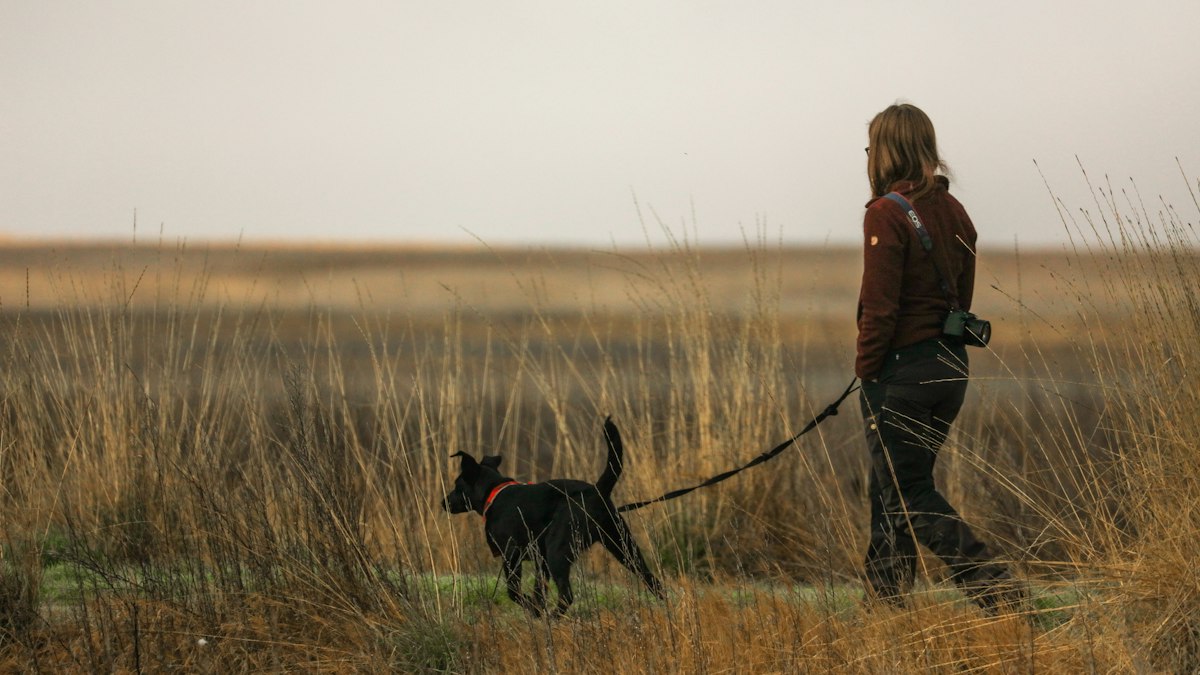
A dog who comes back the moment you call is safer, freer and much easier to enjoy outdoors. If you want to teach your dog to come when called, the secret is to make coming to you the best thing in your dog’s world. Recall is a skill, not something dogs just know, and it can be built step by step with rewards and patience.
Quick answer
To teach your dog to come when called, choose one clear recall cue, pair it with amazing rewards, and practise in easy places before adding distractions. Never call your dog for something unpleasant, never punish them when they arrive, and use a long line outdoors until the recall is reliable. Short, frequent, fun sessions build a strong recall faster than long ones.
Why won’t my dog come when called?
Why does my dog ignore me when I call?
Usually because something else is more rewarding, such as a smell, another dog or a game of chase. Your dog may also not understand the cue well enough in that setting yet.
Is my dog being stubborn or disrespectful?
No. Dogs make choices based on what has paid off before. A poor recall means the training is not strong enough yet, not that your dog is defying you.
Why does my dog come at home but not at the park?
Dogs do not generalise easily. A cue learned in the kitchen needs to be practised in the yard, the street and the park, building up distraction slowly.
Why does my dog run away when I try to catch him?
Some dogs find chase games fun, while others have learned that being caught ends the fun. Reaching to grab your dog can also feel threatening. Calm, rewarding catches change that.
Have I ruined my dog’s recall?
Probably not forever. If “come” has been linked with bad things, simply choose a new cue word and start fresh with lots of rewards.
Do some breeds have a harder time with recall?
Dogs bred to follow scent or chase moving things can find recall more challenging. They can still learn, but may need more practice and a long line in open areas for longer.
How to teach your dog to come when called: step by step
Follow these steps in order. Move on only when your dog responds quickly and happily most of the time.
- Pick a unique cue. Use a word or whistle you will only use for recall, such as “here” or “come”. Say it once, in a cheerful voice.
- Charge the cue. Say your cue and immediately give a great treat, even if your dog is right next to you. Repeat this many times over a few days.
- Add a little distance. In a quiet room, say the cue when your dog is a few steps away. Reward with a jackpot of treats and praise when they arrive.
- Play recall games. Take turns calling your dog between family members, or hide and call so your dog has to find you.
- Add a gentle collar touch. When your dog arrives, touch their collar or harness, then reward. This prevents “drive-by” recalls where your dog comes close but dodges away.
- Move outdoors on a long line. In a safe open area, use a long line so your dog has freedom but cannot practise ignoring you.
- Add distractions slowly. Practise near low-level distractions first, then build up. If your dog fails twice, make it easier.
- Release often. After many recalls, let your dog go back to playing or sniffing. Coming to you should rarely mean the fun is over.
Recall training questions owners ask
What is the best word to use for recall?
Any word you will use consistently and not overuse in daily life. Many owners pick “here” or a whistle, especially if “come” has been used a lot without results.
What rewards work best for recall?
The best ones your dog knows: soft tasty treats, a favourite toy or a game of tug. Recall should be paid better than almost anything else you train.
How many times should I call my dog?
Once. Repeating the cue teaches your dog it can be ignored. If they do not respond, go closer, make an interesting noise or run away from them to trigger following.
Should I run toward my dog if he does not come?
Usually not. Running toward a dog often starts a chase game. Running away, crouching or clapping invites your dog to follow you instead.
How long does it take to train a reliable recall?
Basic recall in quiet places can come within a few weeks. Reliable recall around strong distractions often takes months of steady practice, and it needs topping up throughout your dog’s life.
How often should I practise?
A few short recalls several times a day is ideal. Five recalls on a walk, each well rewarded, is better than one long drill session.
What is an emergency recall?
It is a special cue saved for urgent moments, paired only with the very best rewards. Practise it rarely but make each time a party so it stays powerful.
Recall mistakes that make dogs stop coming
Should I punish my dog for not coming back?
Never. Scolding a dog when they finally arrive teaches them that coming to you is unpleasant. Always greet them warmly, however long it took.
Why shouldn’t I call my dog for things they dislike?
If “come” means bath time, nail trims or leaving the park, your dog learns to avoid it. For those moments, walk over and calmly get your dog instead.
Is it bad to only call my dog at the end of the walk?
Yes. If recall always ends the fun, dogs start delaying. Call your dog many times during the walk, reward, and send them off again.
Should I use a shock or vibration collar for recall?
No. Shock collars rely on pain or fear and can damage your relationship and increase anxiety. Reward-based training with a long line is safer and builds a recall your dog wants to do.
Why does my dog come halfway and then stop?
Your dog may be unsure, distracted or worried about what happens next. Encourage them with happy noises, move backwards and reward heavily when they reach you.
Recall around distractions
How do I get my dog to come back from other dogs?
Practise at a distance from dogs first, on a long line. Reward recall with a chance to go back and play, so your dog learns that coming to you does not end the fun.
How do I stop my dog chasing wildlife?
Keep your dog on a long line in areas with wildlife and practise recall away from it first. Some dogs with strong chase instincts may always need a line in those places.
Can my dog learn recall if he pulls on the leash?
Yes, and the two skills support each other. Our guide on how to stop a dog from pulling on the leash builds the same attention.
Is it safe to let my dog off leash?
Only in safe, legal areas once your dog’s recall is reliable with distractions. Follow local leash rules, and keep your dog on a line near roads, wildlife and livestock.
What gear helps with recall training?
A comfortable harness and a long line of several metres are the main tools. A treat pouch keeps rewards ready. You can see options in our walking gear guide.
Recall for puppies, rescue dogs and seniors
When should I start teaching my puppy to come?
As soon as your puppy comes home. Young puppies naturally follow you, so it is the perfect time to pair the cue with rewards.
Can I train recall with an adult rescue dog?
Yes. Start in a fenced area or on a long line, build trust first, and keep rewards generous. A rescue dog may need extra time to feel safe coming close.
My older dog has stopped coming when called. Why?
Hearing or eyesight loss, joint pain or confusion can affect recall in older dogs. A vet check is a good first step, and a hand signal can replace a verbal cue.
Does a nervous dog need a different approach?
A shy dog may avoid coming close if they feel crowded. Turn sideways, crouch, and let them approach at their own pace. If your dog also jumps up when excited, see why dogs jump on everyone.
Can enrichment help my dog listen better?
Yes. A dog whose mental needs are met is often more focused outdoors. Scent games and puzzle feeders are great options, and you can find ideas on our dog problem solutions page.
Fun recall games to try
What is the “ping-pong” recall game?
Two people stand a few metres apart and take turns calling your dog, rewarding each arrival. It is quick, fun and builds lots of successful repetitions in a short time.
How does hide and seek help recall?
Hide behind a tree or door, then call once. When your dog finds you, celebrate with treats or a game. It teaches your dog to keep an eye on where you are.
Can I use meals for recall practice?
Yes. Calling your dog for their dinner is an easy win. You can also use part of their daily food for recalls during the day if your dog is very food-motivated.
What is a “recall race”?
Call your dog, then turn and run a few steps away. Most dogs love to chase, so they sprint after you. Reward when they catch up and touch their harness.
How do I practise recall with a toy-loving dog?
Call your dog, then bring out a favourite toy and play a quick game when they arrive. For some dogs, a short tug session is worth more than any treat.
Should recall practice feel like a game?
Absolutely. Upbeat, playful sessions make your dog want to come back. If you notice yourself getting frustrated, stop, make it easier, and try again later.
Can I practise recall in the house?
Yes, and you should. Call your dog from another room a few times a day and reward well. Indoor practice is easy, quick and builds a strong foundation for outdoor recall.
How do I keep my dog’s recall sharp over time?
Keep rewarding recalls throughout your dog’s life, not just during training. A surprise jackpot now and then keeps the cue strong and exciting.
When to call a vet or a qualified trainer
When should I involve my veterinarian?
If your dog’s response to you changes suddenly, or you notice signs of pain, stiffness, hearing loss or disorientation, book a vet check.
When is a reward-based trainer helpful?
If recall stays unreliable after weeks of consistent practice, or your dog bolts and puts themselves in danger, a qualified reward-based trainer can help you build a plan.
When should I see a veterinary behaviourist?
If your dog runs away out of fear, panics at noises or reacts strongly to people or dogs, your vet and a veterinary behaviourist can help address the underlying worry.
Is it ever too late to fix recall?
No. Dogs of any age can learn a new recall cue. Progress may be slower for long-established habits, but steady practice brings results.
Recall works hand in hand with polite walking. Explore our leash problems hub for related guides.
Breeds that often deal with this
Any dog can ignore a recall, but independent breeds and those with a strong nose or prey drive often find it harder to come back. Their breed pages explain how to build a reliable recall.
- Beagle: scent can easily outweigh your voice, so practise in safe areas.
- Siberian Husky: independent and fond of running, so a long line helps.
- Basenji: an independent thinker that needs very rewarding recall training.
- Shiba Inu: self-reliant by nature, so recall takes patience and great rewards.
- Dachshund: a determined little hunter that may follow its nose first.
- Italian Greyhound: a sighthound that can chase quick-moving things.
Browse all dog breed guides.
Is your dog ignoring you when you call?
Recall is a work in progress for many owners. Tell other dog owners what your dog runs off to chase, which rewards work best and what has helped you, in our dog owners community.
Leave a Reply
You must be logged in to post a comment.