If your puppy keeps peeing in the house, you are not doing everything wrong and your puppy is not being stubborn. Young dogs have small bladders, short memories and no idea yet that your rug is different from the lawn. With a steady routine, good timing and a lot of rewards, most puppies get the hang of it far sooner than their frustrated owners expect.
Quick answer: what to do when your puppy keeps peeing in the house
Take your puppy outside far more often than feels necessary, especially after sleeping, eating, drinking and playing. Reward every outdoor pee the moment it happens, supervise closely indoors, use a crate or small puppy zone when you can’t watch, and clean accidents with an enzyme cleaner. Never punish. If accidents suddenly increase, or your puppy pees very often in small amounts, call your vet. For the full foundations, see our potty training guide.
Why does my puppy keep peeing in the house?
Is it normal for a puppy to pee inside?
Yes, very normal. Puppies are not born house-trained, and most have accidents for weeks or even a few months. What matters is that the accidents slowly become less frequent.
Why does my puppy pee right after coming back inside?
Usually the outdoor trip was too short or too exciting. Your puppy sniffed, played, got distracted and forgot to go. Then the familiar indoor smell and calm reminds the bladder that it is full.
How long can a puppy hold its bladder?
A rough rule of thumb is about one hour per month of age, plus one, while awake and calm. So a three-month-old might manage around three to four hours at best. During play, that window shrinks a lot.
Why does my puppy pee when excited or greeting people?
This is often excitement or submissive urination, and it is not a house-training failure. Keep greetings low-key, crouch sideways rather than leaning over, and greet outdoors when possible. Most puppies outgrow it.
Is my puppy peeing inside out of spite?
No. Dogs don’t pee to get back at you. Accidents come from a full bladder, unclear habits, stress or a missed signal, never from revenge.
Why does my puppy pee on the same spot every time?
Leftover smell tells your puppy “this is the toilet.” Regular household cleaners often don’t remove the odour a dog can detect, so the spot keeps drawing them back.
How to stop a puppy peeing in the house: step by step
This is the core routine that solves most indoor accidents. Stick with it for at least two to three weeks before judging results.
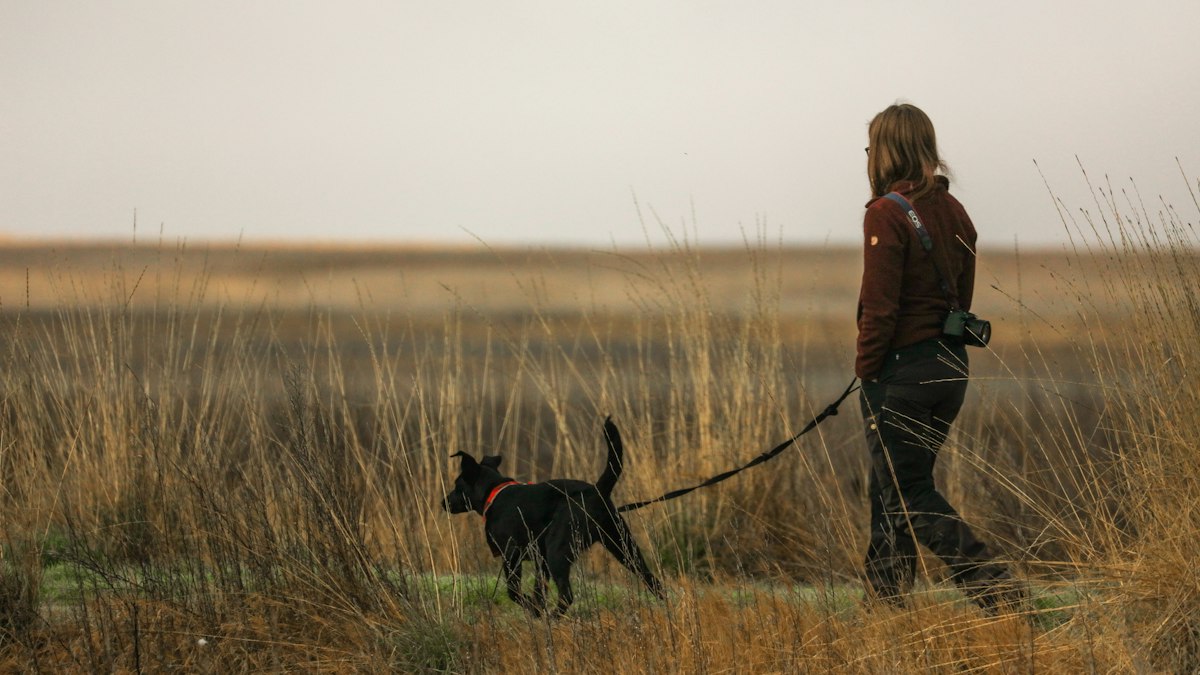
- Pick one outdoor potty spot close to the door, and always go there on a leash for toilet trips.
- Go out on a schedule: first thing in the morning, last thing at night, after every nap, within 15 minutes of meals, after drinking, after play, and roughly every one to two hours in between for young puppies.
- Stand still and stay boring. Give your puppy a few minutes to sniff and go. Say a calm cue like “go potty” just as they start.
- Reward instantly with a tasty treat and warm praise the second they finish, outside, not after you walk back in.
- Add playtime after the pee, not before, so your puppy learns that toileting first unlocks the fun.
- If nothing happens, go back inside, keep your puppy in the crate or on a leash next to you for 10 to 15 minutes, then try again.
- Supervise indoors with gates, a tether or a puppy pen so accidents can’t happen out of sight.
- Clean every accident with an enzyme cleaner and keep a simple log of times to spot patterns.
How often should I take my puppy outside?
More often than you think. For an eight to twelve week old puppy, every hour or two while awake is a good starting point. Stretch the gap slowly as accidents drop.
What are the signs my puppy needs to pee?
Sniffing the floor in circles, sudden wandering off, whining, heading to the door or a previous accident spot, and stopping play abruptly. When you see these, calmly scoop them up or lead them out right away.
Should I use a potty cue word?
Yes, it helps. Say the cue only while your puppy is actually going at first. Over time, the word becomes a gentle prompt that speeds things up on rainy nights.
Does a crate help with house training?
A properly sized crate can help, because most puppies avoid soiling where they sleep. It should be just big enough to stand, turn and lie down. Never use it as punishment, and don’t leave a young puppy in it longer than they can hold their bladder.
Should I use puppy pads?
Pads can be useful in apartments or for very young puppies, but they can also teach that peeing indoors is fine. If you use them, keep them in one spot and plan to move toward outdoor toileting gradually. You’ll find practical options in our potty training supplies.
What should I do when my puppy has an accident?
What if I catch my puppy peeing inside?
Calmly interrupt with a light sound, like a cheerful “oops,” then take them straight outside. If they finish out there, reward. Keep your tone neutral so they don’t learn to hide from you.
Should I punish my puppy for peeing in the house?
No. Scolding, rubbing their nose in it or yelling only teaches your puppy that peeing in front of you is risky. That often leads to sneaky accidents behind the couch and makes outdoor training harder.
What if I find the puddle later?
Just clean it up. Your puppy can’t connect a past accident with your reaction now. Make a note of the time and tighten supervision during that part of the day.
What is the best way to clean puppy pee?
Blot up as much as you can, then use an enzyme-based pet cleaner and let it work as directed. Avoid ammonia-based products, which can smell like urine to a dog. For lingering odours on sofas and cushions, our guide on removing dog smell from furniture walks through the steps.
Why does my puppy pee on the carpet and rugs?
Soft, absorbent surfaces feel a lot like grass under their paws. Roll up favourite rugs for a few weeks or block those rooms until the habit is solid.
Puppy peeing at night and when left alone
How do I stop my puppy peeing at night?
Take up the water bowl roughly one to two hours before bed, do a calm last potty trip, and keep the crate or bed near you so you hear them stir. Young puppies may still need one or two night trips. Keep those trips quiet, dark and boring.
Should I wake my puppy up to pee?
For very young puppies, setting an alarm for one middle-of-the-night trip can prevent accidents. As they grow, slowly push the alarm later until they sleep through.
Why does my puppy pee in the crate?
The crate may be too big, your puppy may have been left too long, or they may be stressed about being alone. Some puppies from pet shops or crowded kennels have learned to soil where they sleep and need extra patience.
Why does my puppy pee when I leave the house?
Some puppies pee when stressed about being alone. If you also see whining, howling or chewing at doors, read about helping a dog with separation anxiety and build alone time in tiny steps.
How long can I leave a puppy alone?
Use the same rough bladder rule as a guide, and keep it shorter at first. If you work long days, a midday visit from a friend or dog walker makes house training far easier.
Is my puppy’s peeing a training issue or a health issue?
Can a puppy have a urinary tract infection?
Yes. Puppies can get urinary infections, and signs may include peeing very often, small amounts, straining, licking the area or accidents right after going outside. Only a vet can check this, usually with a simple urine test.
Why is my puppy peeing so much all of a sudden?
A sudden jump in frequency can be a sign of a medical problem, increased drinking, or a change in routine. If it lasts more than a day or two, or comes with other signs, book a vet visit.
Is it normal for my puppy to drink lots of water?
Puppies drink more after play and in warm weather. Constant drinking and constant peeing together, though, deserve a vet check rather than simply removing water.
Should I restrict my puppy’s water?
Not during the day. Puppies need free access to fresh water. Only the evening cutoff before bed is a reasonable house-training tool.
How long does it take to potty train a puppy?
At what age are puppies fully house-trained?
Many puppies are reliable somewhere between four and six months old, but some take until nearly a year, especially small breeds. Consistency matters more than age.
Why is my puppy regressing in potty training?
Regression is common around teething, growth spurts, a move, a new pet or a change in schedule. Go back to frequent trips and close supervision for a week or two. If things don’t improve, check our article on why a house-trained dog has accidents.
Are some breeds harder to house-train?
Small and toy breeds often take longer, partly because their bladders are tiny and their accidents are easy to miss. It is about management and patience, not intelligence.
Is it too late to potty train an older puppy?
Never. Older puppies and adult dogs learn with exactly the same routine. Expect a few weeks of strict management to replace the old habit.
Common mistakes that keep puppies peeing indoors
What are the biggest house-training mistakes?
- Giving too much freedom in the house too early.
- Rewarding late, after coming back inside.
- Long, exciting walks instead of short, focused potty trips.
- Using punishment, which creates hidden accidents.
- Cleaning with products that leave a scent trail.
- Feeding at random times, so toilet times are unpredictable.
Does a feeding schedule help?
Yes, a lot. Feeding at the same times each day makes toilet times predictable. Free-feeding all day makes it much harder to guess when your puppy needs to go.
Can boredom cause indoor accidents?
Indirectly, yes. A bored puppy wanders off, gets into trouble and forgets to signal. Short training sessions and chew toys keep them closer and calmer. If chewing is part of your struggle too, see how to stop a puppy chewing furniture.
Should I let my puppy roam the house?
Not yet. Earn freedom room by room. When your puppy has gone about two weeks without an accident in one area, open up one more space.
Do bell training or door signals work?
They can. Hang a bell by the door and gently ring it every time you head out for a potty trip. Many puppies learn to ring it themselves. Just make sure the bell only means toilet, not play.
When to call a vet or qualified trainer
Call your veterinarian if your puppy pees very frequently, strains, cries while peeing, has blood in the urine, drinks excessively, has accidents right after toileting outside, or if progress suddenly reverses for no clear reason. These can point to medical issues that training can’t fix.
If health is ruled out and you are still struggling after several weeks of a consistent routine, a qualified reward-based trainer can watch your setup and spot what is being missed. For anxiety-related accidents, a veterinary behaviourist is the right expert. Avoid anyone who suggests punishment or harsh corrections. More practical fixes are gathered on our dog problem solutions page.
Can a trainer really help with potty training?
Yes. A good trainer often spots small timing or setup problems in one visit. That can save you weeks of guesswork.
Breeds that often deal with this
Any puppy can have accidents, but small breeds and some independent breeds often take longer to house train. Their breed pages share potty-training tips for each.
- Chihuahua: a tiny bladder and a dislike of cold or wet weather.
- Yorkshire Terrier: small size means more frequent trips are needed.
- Dachshund: can be stubborn about going outside in bad weather.
- Pomeranian: a small breed that needs a very consistent schedule.
- Beagle: easily distracted by smells during potty breaks.
- Shih Tzu: often slower to house train, so patience and routine help.
Browse all dog breed guides.
Is your puppy having the same problem?
You’re definitely not alone. Thousands of owners are working through the same puddles, late nights and small wins right now. Tell us your puppy’s age, routine and what you’ve tried in our dog owners community. Someone may have the exact tip that finally clicks for you, and your story might help the next tired puppy parent.