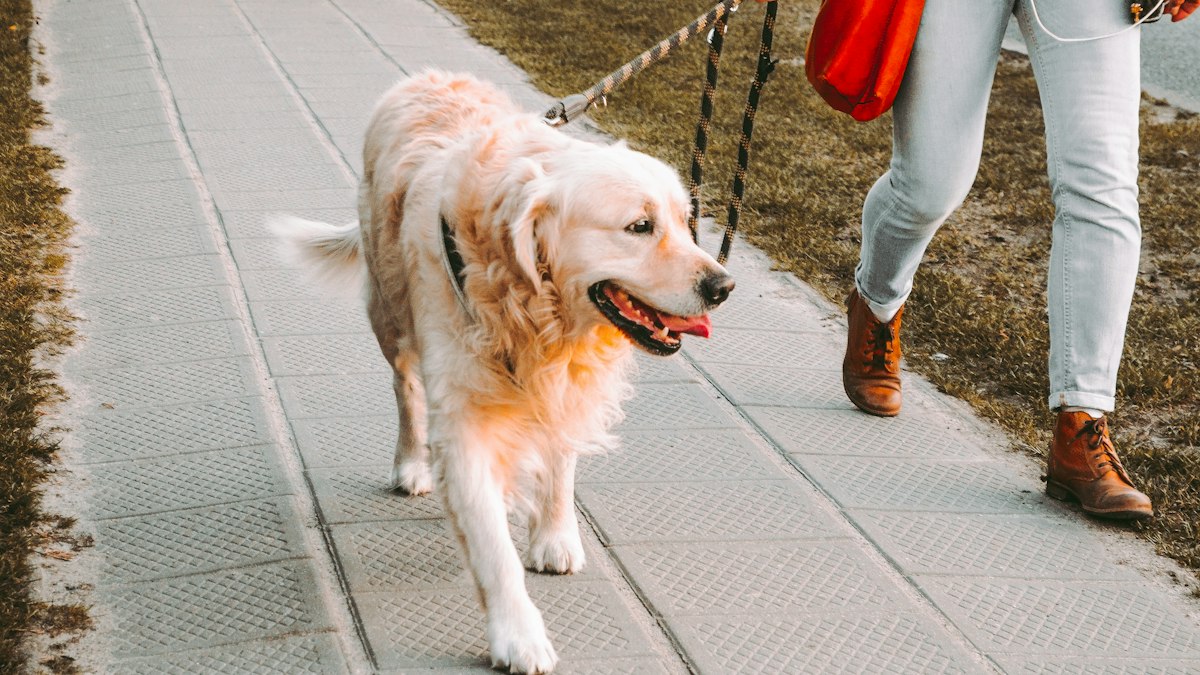
If every walk feels like your dog is towing you down the street, you are not alone. Learning how to stop a dog from pulling on the leash is one of the most common goals for new and experienced owners alike. The good news is that pulling is a learned habit, and habits can be changed with patience, good timing and a few smart tools.
Quick answer
Dogs pull because pulling works: it gets them to the smells, people and dogs they want faster. To stop leash pulling, make a loose leash the only thing that earns forward movement. Stop the moment the leash goes tight, reward your dog generously for walking near you, practise in quiet places first, and use a comfortable front-clip harness while you train. Consistency on every single walk matters more than any trick.
Why does my dog pull on the leash?
Why does my dog pull so hard on walks?
Most dogs simply walk faster than people. The world outside is exciting, and pulling has been rewarded every time it moved them closer to something interesting. Your dog is not being stubborn or trying to dominate you.
Is leash pulling a sign my dog thinks he is the boss?
No. The old “alpha” idea has no place in modern training. Pulling is about excitement and reinforcement history, not rank or status.
Why does my dog pull more at the start of a walk?
Energy and anticipation peak in the first few minutes. Many dogs settle once they have sniffed a few spots. A short game in the yard or a sniffy warm-up before you set off can take the edge off.
Why does my dog pull toward other dogs or people?
Some dogs want to say hello, while others are worried and want to get a closer look. If the pulling comes with barking, lunging or stiff body language, read our guide on how to manage a reactive dog on walks.
Do puppies grow out of pulling?
Rarely on their own. A puppy who learns that pulling works usually becomes an adult who pulls harder. Starting loose leash training early is much easier than fixing it later.
Does breed or size make a difference?
Some breeds were developed to work ahead of people or follow scent, so they may find a slow pace harder. Any dog can learn loose leash walking, though some need more practice and more sniffing breaks.
How to stop a dog from pulling on the leash: step by step
Here is a simple, reward-based plan you can start today. Keep sessions short and upbeat, and expect progress over weeks, not days.
- Pick a reward your dog loves. Small, soft treats work best outdoors. Have plenty ready in a pouch so you can reward quickly.
- Start indoors or in the yard. Walk a few steps with the leash on and reward your dog every time they are beside you. Build the habit where there are few distractions.
- Mark the right position. Say “yes” or use a clicker the moment your dog is next to your leg with a loose leash, then deliver the treat right at your side.
- Stop when the leash gets tight. Become a tree. Stand still and wait. The instant the leash loosens, mark and move forward again.
- Try a change of direction. If your dog keeps pulling ahead, turn calmly and walk the other way. Reward when they catch up beside you.
- Use sniffing as a reward. Say “go sniff” and let your dog explore a patch of grass as payment for a few metres of loose leash walking.
- Raise the difficulty slowly. Move to the quiet street, then busier areas, only when your dog is succeeding most of the time.
- Be consistent on every walk. If pulling works even occasionally, the habit stays strong. Everyone who walks the dog should follow the same rules.
Loose leash walking questions owners ask
How long does it take to stop a dog pulling on the leash?
Many dogs show improvement within a couple of weeks of daily practice. Reliable loose leash walking in busy places can take a few months. Short, frequent sessions work better than one long struggle.
What is the “be a tree” method?
You stop moving whenever the leash goes tight and only walk on when it loosens. Your dog learns that pulling pauses the walk and slack keeps it going. It needs patience at first but works well.
Should my dog walk in a perfect heel?
Not unless you want that. A loose leash walk simply means no tension on the leash. Your dog can be a little ahead, behind or to the side, and still be walking politely.
Which side should my dog walk on?
Either side is fine. Pick one to start so your dog learns where rewards happen, and keep your treat hand on that side.
How many treats should I use?
Lots at the beginning, sometimes one every few steps. As your dog improves, space them out and replace some with sniffing time or a chance to greet a friend.
What if my dog ignores treats outside?
That usually means the environment is too exciting. Move further from distractions, try a higher-value treat, or practise at quieter times of day.
Is it okay to let my dog sniff on walks?
Yes. Sniffing is mentally tiring and very enjoyable for dogs. Building sniff breaks into the walk often reduces pulling because your dog is less frustrated.
Can I train loose leash walking if my dog is very energetic?
Yes, but meet some of that energy first. A game of fetch, a flirt pole session or some scent games before the walk can make calm walking much easier. Ideas are on our dog problem solutions page.
Best equipment for a dog that pulls
What is the best harness for a dog that pulls?
A well-fitted front-clip harness, where the leash attaches at the chest, is a popular choice. When your dog pulls, it gently turns them sideways, which reduces their pulling power. You can browse options in our walking gear picks.
Are harnesses better than collars for pulling dogs?
For dogs that pull, a comfortable harness spreads pressure across the chest instead of the neck. Many owners and vets prefer a harness for this reason, especially for small dogs and flat-faced breeds.
Should I use a prong, choke or shock collar?
No. These tools work by causing discomfort or pain, which can harm your dog’s neck, damage trust and increase fear or reactivity. Reward-based training with a comfortable harness is safer and works long term.
Is a retractable leash a good idea?
Not for training. A retractable leash keeps constant tension on your dog, which actually teaches them that pulling gets them further. A standard flat leash of about 1.5 to 2 metres works better.
What about head halters?
Head halters can help some strong dogs, but they need careful, gradual introduction so the dog is comfortable. Never jerk the leash with one on. A qualified reward-based trainer can show you how to fit and use one properly.
Does a long line help?
Yes, in open safe spaces. A long line gives your dog more freedom to explore while staying connected to you, and it is great for recall practice too.
Common leash pulling mistakes to avoid
Why does my dog still pull even after training?
Usually the rules are not consistent. If pulling sometimes gets your dog where they want to go, they will keep trying. It helps to agree on one plan with everyone in the household.
Should I yank the leash when my dog pulls?
No. Jerking the leash can hurt your dog and often makes them more excited or anxious. Stopping calmly and rewarding slack is kinder and more effective.
Am I walking too slowly for my dog?
Possibly. A brisk pace can help some dogs stay with you. Try varying your speed and see what your dog finds easiest.
Is it a mistake to let my dog greet every dog we pass?
Often, yes. If greetings happen whenever your dog pulls toward another dog, pulling gets rewarded. Ask for a few loose leash steps first, and only allow greetings with friendly, willing dogs.
Why does my dog pull home at the end of the walk?
Home means food, rest or comfort, so the return trip can be exciting too. Use the same stop-and-wait approach and reward calm walking in that direction as well.
Leash pulling in special situations
How do I stop my puppy from pulling on the leash?
Keep walks short and fun, reward often, and let your puppy explore at their own pace. Practise leash skills at home first so outside walks are not overwhelming.
How do I stop my dog pulling when they see a squirrel or cat?
Increase distance as soon as you spot the trigger and reward your dog for looking back at you. Over time, a quick “let’s go” turn becomes a habit.
My dog jumps and pulls when excited. Is that related?
Often it is part of the same excitement. Our guide on why dogs jump on everyone covers calm greetings that also help on walks.
Can loose leash walking help with recall?
Yes. A dog who pays attention to you on leash is more likely to respond off leash. Pair it with our steps to teach your dog to come when called.
What if my older rescue dog has pulled for years?
Older dogs learn well too. It may take a little longer to change a long-standing habit, but the same reward-based steps work at any age.
How do I keep training when I am in a hurry?
Some days you just need to get out the door. On those walks, use a different piece of equipment or route so your dog does not learn that pulling sometimes works during training walks. Then return to practice when you have more time.
Can I practise loose leash walking in bad weather?
Yes. Hallways, garages and quiet indoor spaces are perfect for short sessions. A few minutes of rewarding your dog for staying by your side still builds the habit, even when the weather keeps you home.
How can I walk two dogs that both pull?
Train each dog separately first. Once both can walk on a loose leash alone, combine them in quiet places and build up from there.
When to call a vet or a qualified trainer
Could pulling be linked to pain?
Sometimes. If your dog coughs, gags, limps, seems stiff or suddenly changes how they walk, book a check with your veterinarian. Pain can affect behaviour on walks.
When should I get help from a trainer?
If you have practised consistently for several weeks without progress, or your dog is strong enough to pull you over, a qualified reward-based trainer can help in person.
When is it more than a pulling problem?
If your dog lunges, barks, growls or panics at other dogs, people or traffic, speak to your vet and consider a veterinary behaviourist. Fear and reactivity need a tailored plan.
What should I look for in a trainer?
Choose someone who uses rewards, explains their methods clearly and never recommends pain or intimidation. You should feel comfortable with everything they ask you to do.
For more help with walks, visit our leash problems hub, where you will find guides on recall, jumping and reactivity.
Breeds that often deal with this
Any dog can pull, but strong, energetic or scent-driven breeds often find a loose leash harder to learn. Their breed pages explain walking tips for each.
- Siberian Husky: bred to pull sleds, so a front-clip harness and patience help a lot.
- Labrador Retriever: strong and enthusiastic, often in a hurry to greet everything.
- Beagle: follows its nose and may drag you toward every smell.
- Boxer: powerful and bouncy, and benefits from early leash practice.
- German Shorthaired Pointer: high-energy and keen to range ahead on walks.
Browse all dog breed guides.
Is your dog pulling on the leash too?
Every dog is different, and other owners often have the tip that finally makes things click. Tell us what your walks look like, what you have tried and what worked, and see how others handled it in our dog owners community.
Leave a Reply
You must be logged in to post a comment.