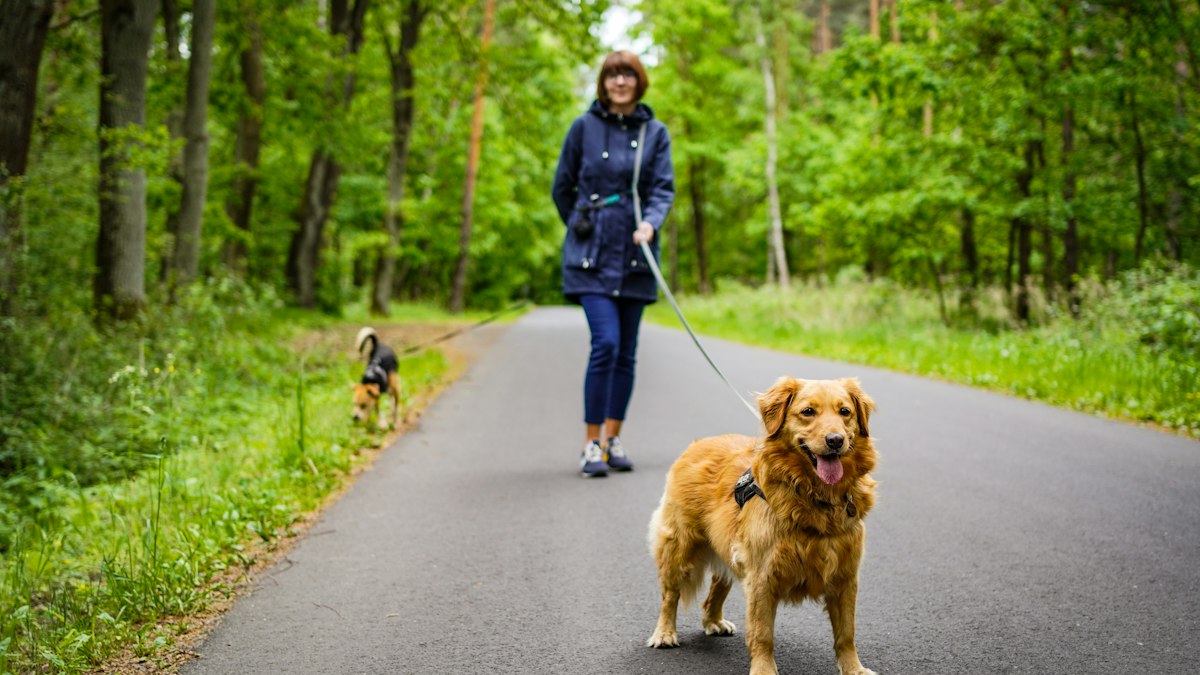
Walking a dog who barks, lunges or spins at other dogs, people, bikes or cars can be stressful and lonely. Learning how to manage a reactive dog on walks starts with understanding that your dog is overwhelmed, not bad. With distance, smart routes and reward-based training, most reactive dogs can enjoy calmer, safer walks.
Quick answer
A reactive dog overreacts to certain triggers, usually from fear, frustration or overexcitement. To manage a reactive dog on walks, keep enough distance from triggers that your dog can still eat treats and look at you, reward calm looking at the trigger, and walk at quieter times or places while you train. Avoid punishment, which can make reactivity worse, and get help from your vet or a qualified professional if reactions are intense.
What is a reactive dog?
What does it mean if my dog is reactive?
A reactive dog responds more intensely than expected to everyday things such as other dogs, people, bikes or vehicles. Reactions may include barking, lunging, growling, whining or freezing.
Is a reactive dog the same as an aggressive dog?
Not necessarily. Many reactive dogs are scared or frustrated and want more space, not a fight. Still, any dog can bite if pushed too far, so management matters.
Why is my dog reactive on leash but fine off leash?
A leash limits your dog’s ability to move away or greet normally. That can create frustration or a feeling of being trapped, which shows up as barking and lunging.
What causes leash reactivity?
Common causes include fear, limited early socialisation, past scary experiences, frustration at not being able to greet, genetics and pain. Often it is a mix.
Why did my dog suddenly become reactive?
A frightening event, adolescence, a change in routine or an underlying health issue can trigger new reactivity. A sudden change is a good reason to see your vet.
Can pain make a dog reactive?
Yes. A dog who hurts may feel more vulnerable and defensive. Ear problems, sore joints, skin irritation and dental pain can all play a part.
How to manage a reactive dog on walks: step by step
This plan combines management, which prevents bad experiences, with training, which changes how your dog feels about triggers.
- Write down your dog’s triggers. Note what sets your dog off, how close it was and what happened before. Patterns help you plan.
- Find your dog’s threshold distance. This is the distance at which your dog notices the trigger but can still take treats and respond to you.
- Choose quieter walking times and places. Early mornings, late evenings, wide open spaces and quieter streets reduce surprise encounters.
- Pair triggers with great things. Every time your dog sees a trigger at a safe distance, feed a tasty treat. The trigger starts to predict good things.
- Reward calm looking. When your dog looks at a trigger and stays calm, mark it and reward. Over time many dogs look, then turn to you.
- Teach an easy U-turn. Practise a happy “let’s go” turn at home, then use it on walks to move away from triggers quickly.
- Close the gap very slowly. Only reduce distance when your dog is consistently relaxed. If they react, you were too close, so add distance next time.
- Build in decompression walks. Regular sniffy walks in quiet areas lower overall stress, which helps your dog cope better on busier days.
Everyday questions about reactive dogs
How do I know if my dog is over threshold?
Signs include not taking treats, fixed staring, stiff body, raised hackles, barking, lunging or not responding to their name. At that point, calmly move away.
What should I do when my dog starts reacting?
Stay calm, keep the leash short but not tight, and move away from the trigger. Do not try to train in that moment. Simply get distance and let your dog settle.
Should I correct my dog for barking or lunging?
No. Corrections can suppress warning signals and make your dog feel worse about the trigger. That can lead to a dog who reacts without warning.
Are prong, choke or shock collars helpful for reactive dogs?
No. Pain and fear often make reactivity worse and can damage trust. A comfortable harness and reward-based training are safer and more effective.
How long does it take to improve reactivity?
It varies widely. Some dogs show progress within weeks, while others need months of steady work. Expect good and bad days along the way.
Will my reactive dog ever be completely “cured”?
Many dogs become much calmer and easier to walk. Some will always need a little more space. The goal is a dog who feels safe and an owner who feels confident.
Should I let my reactive dog meet other dogs?
Not on leash while you are training. On-leash greetings are stressful for many dogs. Calm, planned introductions with a professional’s guidance are a better option.
Gear and safety for reactive dog walks
What harness is best for a reactive dog?
A well-fitted, comfortable harness with front and back clip points gives you control without pressure on the neck. See our walking equipment picks.
Should my reactive dog wear a muzzle?
If there is any risk of biting, a well-fitted basket muzzle is a responsible choice. Train it slowly with treats so your dog is happy to wear it, and make sure they can pant and drink.
Do “give me space” vests or leash tags help?
They can alert some people to give you room. Do not rely on them alone, and keep watching for approaching triggers.
How should I handle an off-leash dog running toward us?
Turn and walk away calmly, put yourself between the dogs if safe, and use a firm “stay back” to the other owner. Scattering treats on the ground behind you can also distract your dog.
What leash length works best?
A standard leash of about 1.5 to 2 metres gives control near triggers. Avoid retractable leashes, which make quick turns harder.
Is it okay to skip walks with a reactive dog?
Yes, on some days. Sniffing games in the yard, puzzle feeders and training at home can replace a stressful walk. Find ideas in our enrichment section.
Reactivity triggers and related problems
Why does my dog react to other dogs?
Fear of unfamiliar dogs and frustration at not being able to greet are the most common reasons. Distance and positive pairing help in both cases.
Why does my dog bark at people on walks?
Some dogs are worried by strangers, especially people with hats, umbrellas or unusual movements. Our guide on why dogs bark at everything explains common triggers.
My dog lunges at cars and bikes. What can I do?
Walk on quieter routes and practise at a distance where your dog can watch traffic calmly. Reward calm watching and move further away if your dog gets excited.
Is pulling on the leash linked to reactivity?
Tension on the leash can increase arousal. Working on how to stop a dog from pulling on the leash often helps reactive dogs stay calmer.
Can a good recall help with reactive dogs?
Yes. A reliable “come” lets you move your dog away from trouble quickly. See our guide on how to teach your dog to come when called.
Does my stress affect my reactive dog?
Dogs notice tension in our body and on the leash. Breathing slowly, keeping your arms relaxed and having a plan for each walk can help you both stay calmer.
Reactive puppies, rescues and older dogs
Is my puppy reactive or just excited?
Puppies often bark and bounce when excited. If your puppy seems scared, hides or barks with a stiff body, start gentle confidence building and talk to your vet.
My rescue dog is reactive. Where do I start?
Give your rescue time to settle, keep walks quiet, and focus on building trust. Many rescue dogs improve as they feel safer in their new home.
Why is my senior dog becoming reactive?
Changes in sight, hearing, joint comfort or memory can make older dogs feel vulnerable. A veterinary check is the first step.
Helping your reactive dog relax at home
Why does stress at home affect walks?
Stress builds up. A dog who barks at the window all day or sleeps poorly starts each walk already on edge. Lowering everyday stress often makes walks easier.
Should I block my dog’s view of the street?
If your dog watches and reacts to passers-by from the window, frosted film or closed blinds can reduce constant triggering. Less practice at reacting means a calmer dog.
How much rest does a reactive dog need?
Many adult dogs sleep well over half the day. After a stressful encounter, some dogs need a quiet day or two of rest and gentle activities to settle.
Can sniffing games help a reactive dog?
Yes. Scatter feeding, snuffle mats and simple scent games let your dog use their nose, which is calming and satisfying. They are perfect for days off from walks.
Should I teach my reactive dog a “look at me” cue?
A name response or “look” cue can be helpful, but do not force eye contact near triggers. Many dogs do better when you reward them for calmly noticing the trigger first.
What is a good “emergency exit” plan?
Know where you can step aside, such as a driveway, behind a parked car or across the street. Having exits in mind helps you act quickly and stay calm.
How can I track my reactive dog’s progress?
Keep a simple walk diary noting triggers, distances and reactions. Over weeks, small wins become clear, such as recovering faster or noticing triggers at shorter distances.
Should I walk my reactive dog every day?
Not necessarily. Quality matters more than quantity. Two calm, sniffy walks a week in a quiet place can do more good than daily walks full of close encounters with triggers.
Is it normal to have setbacks?
Very normal. A bad walk does not erase your progress. Add distance, have a quiet day and go back to the steps that were working.
Can other family members walk my reactive dog?
Yes, if they know the plan, understand your dog’s body language and can move away calmly. Practise together first so everyone handles triggers the same way.
When to call a vet or a qualified professional
When should I see my veterinarian about reactivity?
Book a vet visit if reactivity appears suddenly, is getting worse, or comes with signs of pain, poor sleep or other behaviour changes. Your vet can rule out medical causes.
When should I contact a veterinary behaviourist?
If your dog has bitten, tried to bite, or reacts so strongly that walks feel unsafe, a veterinary behaviourist can create a full plan, which may include medical support prescribed by a vet.
What kind of trainer should I look for?
Choose a qualified trainer who uses reward-based methods, has experience with reactive dogs and never uses pain, fear or intimidation.
Is it a failure to ask for help?
Not at all. Reactive dogs are complex, and professional support is one of the best things you can do for your dog.
For more on calm walks, recall and greetings, visit our leash problems hub.
Breeds that often deal with this
Any dog can become reactive on walks, but sensitive, alert or strongly driven breeds may need extra support around triggers. Their breed pages focus on socialisation and calm management.
- Border Collie: sensitive to movement and may react to cars, bikes or joggers.
- German Shepherd: alert and watchful, and does well with structured exposure.
- Australian Cattle Dog: a driven herding breed that benefits from clear training and outlets.
- Chihuahua: small dogs can feel vulnerable, so space and confidence-building help.
- Shiba Inu: independent and particular about other dogs, so distance helps.
Browse all dog breed guides.
Do you walk a reactive dog too?
Living with a reactive dog is easier when you know others understand. Share your dog’s triggers, the routes that work and the small wins you have had in our dog owners community.
Leave a Reply
You must be logged in to post a comment.