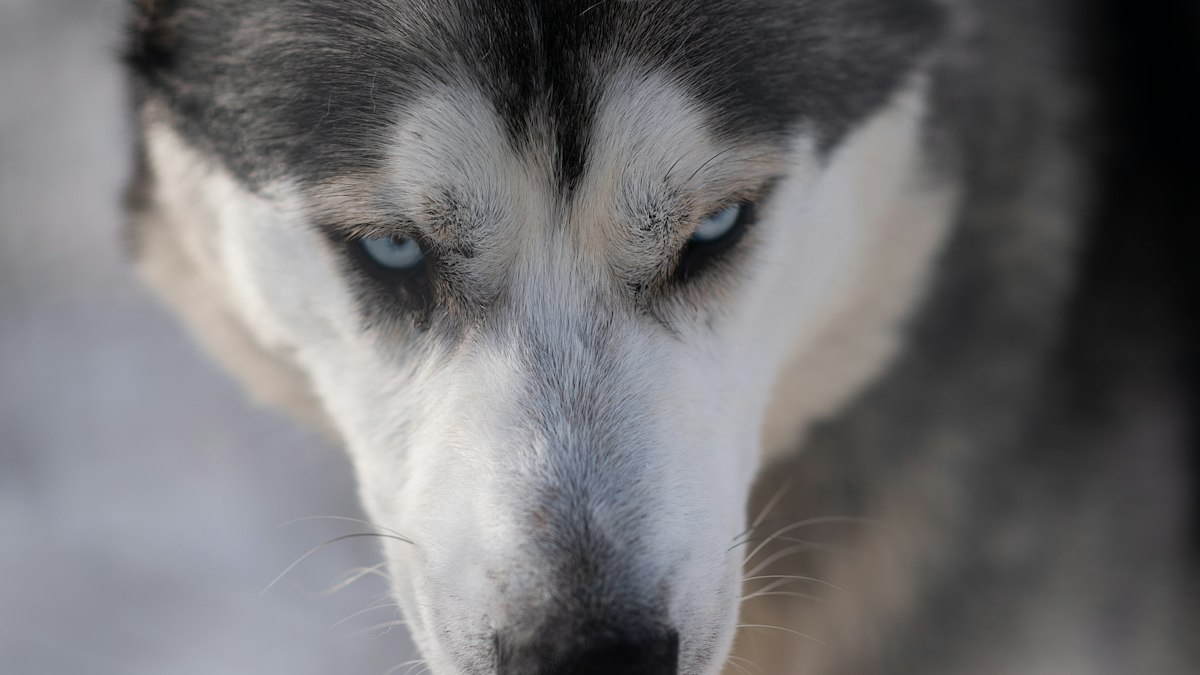
The Siberian Husky is a striking, athletic sled dog with endless stamina, a friendly heart and a very independent streak. Owners love their playful, social personality, but they often struggle with escaping, pulling on the leash, howling, heavy shedding, poor recall and a dog with far more energy than they expected.
Siberian Husky at a glance
- Size: medium, lean and athletic.
- Energy level: very high; bred to run long distances, Huskies tend to need a lot of daily exercise.
- Shedding level: high, with heavy seasonal coat blows of the thick double coat.
- Barking tendency: moderate barking but high “talking” and howling; many Huskies are very vocal.
- Good for first-time owners: with work; their energy and independence can surprise new owners.
- Time alone tolerance: low to moderate; bored, lonely Huskies often howl, dig or chew.
Common Siberian Husky problems and solutions
Why does my Husky howl so much?
Howling and “talking” are part of how Huskies communicate, and they may howl at sirens, when bored or when you leave. Meet their exercise needs, reward quiet moments and avoid rewarding noise with attention. Our guide on why dogs bark at everything applies to howling too, and dog barking at neighbors helps if complaints start.
Do Huskies shed a lot?
Yes, Huskies shed year-round and blow their undercoat once or twice a year, when fur comes out in big tufts. Brush a few times a week with an undercoat rake, and daily during coat blows. Read the best ways to control dog shedding and how to get dog hair off a couch.
Should I shave my Husky in summer?
Shaving a double coat is generally not recommended, since the coat helps protect against heat and sun and may not grow back properly. Brush out the loose undercoat instead, and provide shade, water and cool resting spots. A professional de-shedding bath during coat blow season can also help a lot.
Why does my Husky keep escaping?
Huskies are famous escape artists: they dig, jump, climb, open latches and slip out of doors to explore and run. Secure fences, block digging spots, never leave a Husky alone in the yard for long and make sure ID and microchip details are up to date. Plenty of exercise reduces the urge to roam.
Why does my Husky pull so hard on the leash?
Huskies were bred to pull sleds, so pulling is instinct. Use a comfortable, well-fitted harness, reward loose-leash walking and consider a pulling sport like canicross or bikejoring as a proper outlet. Our guide on how to stop a dog pulling on the leash explains the training.
Can Huskies be trusted off leash?
Many Huskies have a strong urge to run and a high prey drive, so off-leash recall is often unreliable. Practise recall with high-value rewards in fenced areas and use a long line elsewhere. Read our guide on teaching a dog to come when called.
Why does my Husky destroy things when alone?
A bored Husky with energy to spare will often chew, dig or shred. Give hard exercise before you leave, a food puzzle or long-lasting chew, and build alone time gradually. Our article on a dog that destroys things when alone has more solutions.
Why does my Husky howl when I leave?
Huskies are pack-minded and many dislike being left alone. Practise short absences after a good run, keep goodbyes low-key, leave a long-lasting chew and consider a dog-walker or doggy daycare on long days. See why dogs bark when you leave and our separation anxiety guides.
Why does my Husky dig holes in the yard?
Digging is natural for Huskies, often to create a cool spot or simply for fun. Offer a digging pit with buried toys, shade and water, and supervise outdoor time. Protect garden beds with fencing, and remember that a digging Husky near a fence line may be planning an escape.
Is a Husky good in an apartment?
It is possible but challenging. A Husky needs a lot of daily running and mental work, and howling can bother neighbours. Most Huskies are happier with a securely fenced yard and very active owners.
How much exercise does a Husky need?
Most adult Huskies need well over an hour of vigorous activity a day, plus mental exercise. Running, hiking, harness sports, flirt-pole play and scent games all help. Exercise in cool parts of the day during warm weather, and build up distance gradually for young dogs whose joints are still growing.
Do Huskies get along with cats?
Some Huskies live peacefully with cats they were raised with, but many have a strong prey drive toward small animals. Introduce carefully, supervise closely and never leave them alone together until you are confident.
Training tips for a Siberian Husky
- Exercise first, train second: a tired Husky learns much better than one bursting with energy.
- Use high-value food rewards and keep sessions short and fun; Huskies are smart but easily bored.
- Practise doorway manners so your Husky waits before going through any door or gate.
- Work on loose-leash walking with a harness, and give pulling a separate, approved outlet.
- Use a long line for recall training and only allow off-leash time in secure areas.
- Build alone time slowly, always after exercise, with a chew or food puzzle.
- Make grooming a daily, rewarded routine from puppyhood so coat blows, nail trims and vet visits are much easier to manage.
Health questions owners ask
Are Huskies prone to eye problems?
Some eye conditions are among the topics commonly discussed for this breed. Watch for cloudiness, redness, squinting or changes in vision such as bumping into things in dim light. Talk to your vet about regular eye checks.
Do Huskies have hip problems?
Hip conditions are often mentioned for medium and large breeds, including Huskies, and responsible breeders usually screen parent dogs. A lean body, good muscle tone and sensible exercise help support joints. Talk to your vet about your dog’s needs.
Can Huskies handle hot weather?
Huskies are built for cold, so heat can be tough on them. Exercise early or late, provide shade, cool floors and fresh water, and stop at the first sign of heavy panting or slowing down. Talk to your vet about summer care.
Why is my Husky’s skin itchy?
A thick coat can hide skin irritation, so check down to the skin while brushing. Read why dogs scratch so much and talk to your vet if the itching continues.
Is a Siberian Husky right for you?
Is a Husky good for apartment living?
Usually not ideal, unless you are extremely active, can manage howling and have access to safe places to run. A yard with secure, tall fencing that goes below ground makes life much easier.
Are Huskies good with kids?
Many Huskies are friendly, gentle and playful with children, and they rarely act like guard dogs. Their energy and strength mean play with small kids should be supervised, and kids should learn to keep doors and gates closed.
Do Huskies get along with other dogs?
Most Huskies enjoy canine company and often do well with another energetic dog to play and wrestle with. Small pets like rabbits, birds and some cats need careful management because of prey drive.
Is a Husky a good first dog?
It can be for an active first-time owner who loves running, hiking and training. If that sounds like a lot, compare with the Samoyed or Akita in our breed guide to see which spitz-type dog fits your life.
Related guides
- Dog shedding guide
- Leash problems and walking tips
- Barking and howling help
- Remove dog hair from car seats
- Harnesses for strong pullers
- Shedding tools and brushes
Share your Siberian Husky experience
Have you outsmarted a Husky escape artist or found a way to quiet the howling? Share your story in the dogs.solutions community, and explore more breeds in our breed guide.