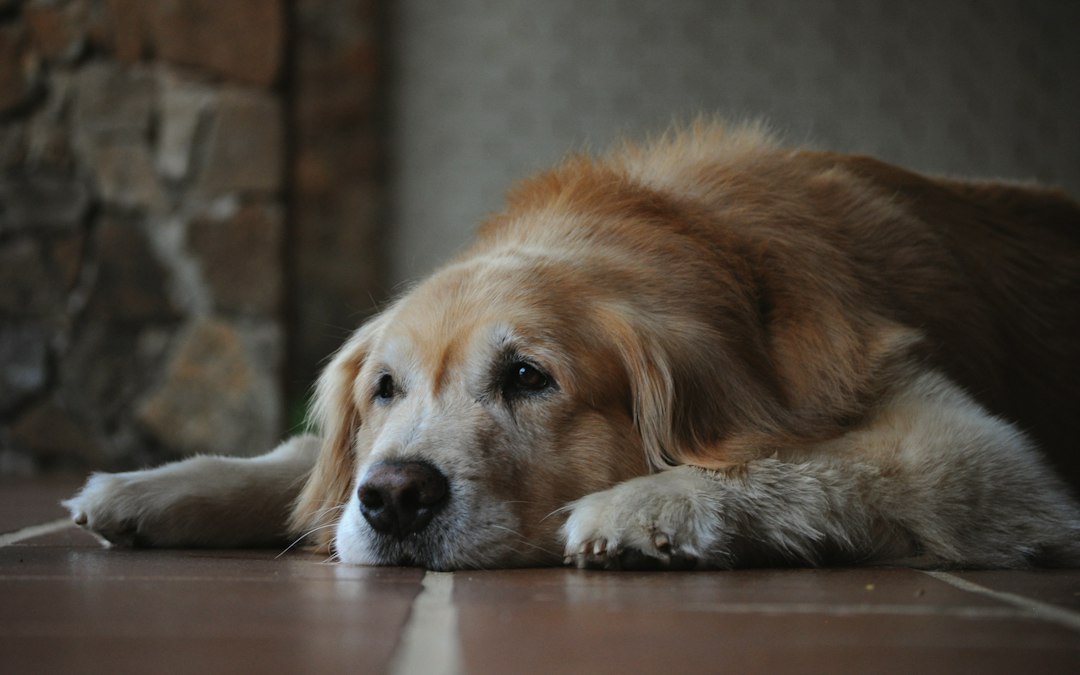
Your dog used to race to the door, and now they take the stairs one at a time. They sleep longer, eat more slowly and sometimes seem confused at night. These changes are a normal part of getting older, but many of them can be eased with small, practical adjustments at home and regular vet care. This guide answers the questions senior dog owners ask most, with short, direct answers you can act on today.
Important: this page is general information, not veterinary advice. Any new symptom, sudden change or sign of pain in an older dog should be checked by a veterinarian.
In brief: senior dog care at a glance
- A dog is usually considered senior in roughly the last quarter of its expected lifespan, so large breeds reach that stage earlier than small breeds.
- Slowing down is normal; pain, weight loss, heavy thirst or sudden behavior changes are not, and deserve a vet visit.
- Shorter, more frequent walks usually suit older dogs better than one long outing.
- Non-slip floors, ramps, raised bowls and a supportive bed make a big difference to stiff joints.
- Mental exercise (sniffing, puzzle feeders, gentle training) matters as much as physical exercise.
- Many vets suggest checkups about twice a year for senior dogs so problems are caught early.
When is a dog considered a senior?
At what age does a dog become a senior?
There is no single age. Size matters most: giant and large breeds age faster than toy and small breeds. A common rule of thumb used by vets is that a dog enters its senior years in roughly the final 25% of the typical lifespan for its size and breed. To translate your dog’s age into human terms, try our dog age calculator.
Does breed change when a dog gets old?
Yes. A Great Dane or other giant breed may show senior changes years earlier than a small companion breed. Each page in our dog breeds directory lists the problems that tend to appear in that breed, including the ones that show up with age.
| Dog size | Typical adult weight | Senior stage often begins |
|---|---|---|
| Small and toy breeds | Under about 10 kg (22 lb) | Later in life, often around 10 years or more |
| Medium breeds | About 10 to 25 kg (22 to 55 lb) | Often around 8 to 10 years |
| Large breeds | About 25 to 45 kg (55 to 100 lb) | Often around 7 to 8 years |
| Giant breeds | Over about 45 kg (100 lb) | Often as early as 5 to 6 years |
These ranges are approximate and vary from dog to dog. Your vet can tell you where your own dog stands.
What are the signs that my dog is getting old?
What changes are normal in an older dog?
- Graying around the muzzle and eyes
- Sleeping more and waking more slowly
- Less interest in long, fast games
- Slight stiffness after rest that eases once moving
- Mild hearing or vision decline
- Thinner coat or drier skin
Which signs mean I should see a vet?
- Limping, trouble rising or reluctance to jump or climb stairs
- Drinking or urinating much more than usual
- Weight loss or gain without a change in food
- Loss of appetite lasting more than a day or two
- New lumps, bad breath or bleeding gums
- Coughing, fainting or tiring very quickly
- Confusion, getting stuck in corners or pacing at night
If your older dog stops eating, read our guide on why a dog refuses to eat and call your vet if it continues.
How should I exercise a senior dog?
Do old dogs still need walks?
Yes. Gentle daily movement helps keep muscles strong, joints mobile and weight in check. Most senior dogs do better with two or three shorter walks than one long one. Our article on how much exercise a dog needs explains how needs change by age and size.
How do I know if a walk was too much?
Watch the next 24 hours. Heavy panting long after the walk, limping, stiffness the next morning or refusing the next walk are signs to shorten the distance or slow the pace.
What activities are gentle on old joints?
- Slow sniffing walks on grass or soft trails
- Short, controlled swimming sessions if your vet agrees
- Easy scent games inside the house
- Brief training sessions using known commands
Avoid repeated jumping, rough play and long runs on hard ground.
How do I make my home easier for an older dog?
What simple changes help most?
- Add rugs or runner mats on slippery floors so paws can grip
- Use a ramp or pet steps for the car, sofa or bed
- Raise food and water bowls slightly for dogs with neck or back stiffness
- Choose a thick, supportive bed away from drafts
- Block stairs with a gate if your dog is unsteady
- Keep furniture in the same place for dogs with poor eyesight
Why is my old dog restless at night?
Pain, needing to urinate more often, poor vision in the dark and age-related confusion can all disturb sleep. A night light, a late-evening bathroom break and a calm bedtime routine often help. See our tips to help a dog settle at night, and mention night-time pacing to your vet.
What should a senior dog eat?
Does my old dog need senior dog food?
Not always. Many older dogs need fewer calories because they move less, while others lose weight and need more. The right food depends on body condition, dental health and any medical issues, so ask your vet before switching.
How do I keep an older dog at a healthy weight?
- Measure meals instead of free-feeding
- Count treats as part of the daily food
- Weigh your dog every few weeks and keep a record
- Ask your vet to show you how to check body condition by feeling the ribs
Extra weight puts more strain on aging joints. Breeds prone to weight gain, such as the Labrador Retriever, benefit most from careful portion control.
What if my old dog has trouble chewing?
Dental disease is very common in older dogs. Softened kibble or wet food can help in the short term, but painful teeth need a vet’s attention.
Why is my senior dog having accidents in the house?
Is it just old age?
Sometimes, but accidents in an older dog can also come from urinary infections, kidney or hormone problems, arthritis that makes it hard to get outside quickly, or confusion. A vet check comes first. Our guide to a house-trained dog having accidents covers the common causes and what to try.
How can I help at home?
- Offer more frequent bathroom breaks, including right before bed
- Use washable bedding and waterproof covers
- Never punish accidents; your dog is not doing it on purpose
What about joints, skin and other health issues?
Which breeds are more prone to joint problems with age?
Larger and long-backed breeds often need extra joint care. Owners of a German Shepherd, Golden Retriever or Dachshund should watch closely for stiffness, back pain or hind-leg weakness and talk to a vet early.
Why does my old dog scratch more?
Older skin can become drier and thinner, and allergies or hormone problems may appear. Read why a dog scratches so much for causes and solutions.
How often should a senior dog see the vet?
Many vets recommend a checkup about every six months for senior dogs, often with blood and urine tests. Problems such as kidney disease, dental disease and arthritis are easier to manage when found early.
How can I keep my old dog’s mind sharp?
Do senior dogs still need mental stimulation?
Yes. Mental work tires dogs in a gentle way and may help keep them engaged and confident. Try:
- Puzzle feeders and snuffle mats for meals
- Hiding treats around one room for a short search game
- Teaching an easy new trick, such as touching your hand with the nose
- Short car rides or calm visits to new places
Can old dogs learn new things?
Yes. Older dogs can learn at any age. Keep sessions short, use rewards they love and stop before they get tired.
Senior dog care checklist
| Area | What to do | How often |
|---|---|---|
| Vet care | Health checkup and tests your vet suggests | About every 6 months |
| Weight | Weigh and note body condition | Every 2 to 4 weeks |
| Exercise | Short, gentle walks plus sniffing time | Daily |
| Teeth | Brush or use vet-approved dental care | Daily if possible |
| Grooming | Brush coat, check for lumps, trim nails | Weekly |
| Home | Check rugs, ramps and bed condition | Monthly |
| Mind | Puzzle feeder or short training game | Daily |
FAQ about senior dog care
Is it normal for an old dog to sleep all day?
Older dogs do sleep more. A sudden increase in sleep, or sleeping combined with low appetite or weakness, should be checked by a vet.
Should I still trim my old dog’s nails?
Yes. Long nails change how a dog stands and walks, which makes slipping and joint strain more likely in seniors.
Can a senior dog get separation anxiety for the first time?
Yes. Hearing or vision loss and confusion can make some older dogs more clingy or anxious when left alone. Keep routines predictable and talk to your vet if the change is sudden.
Is it too late to adopt a senior dog?
No. Many senior dogs are already calm and house-trained. Plan for regular vet visits and a comfortable home setup from day one.
How do I know if my old dog is in pain?
Common signs include limping, panting at rest, reluctance to be touched, hiding, restlessness or changes in posture. Dogs often hide pain, so any of these signs is worth a vet visit.
Conclusion
Caring for an older dog is mostly about noticing small changes and adjusting early: shorter walks, softer beds, better grip on floors, careful portions and regular vet checkups. Most senior dogs can stay comfortable, curious and happy for years with this kind of support. Start with one or two changes from the checklist above this week, and explore our breed guides to see which age-related problems are most common for your dog.
Leave a Reply
You must be logged in to post a comment.