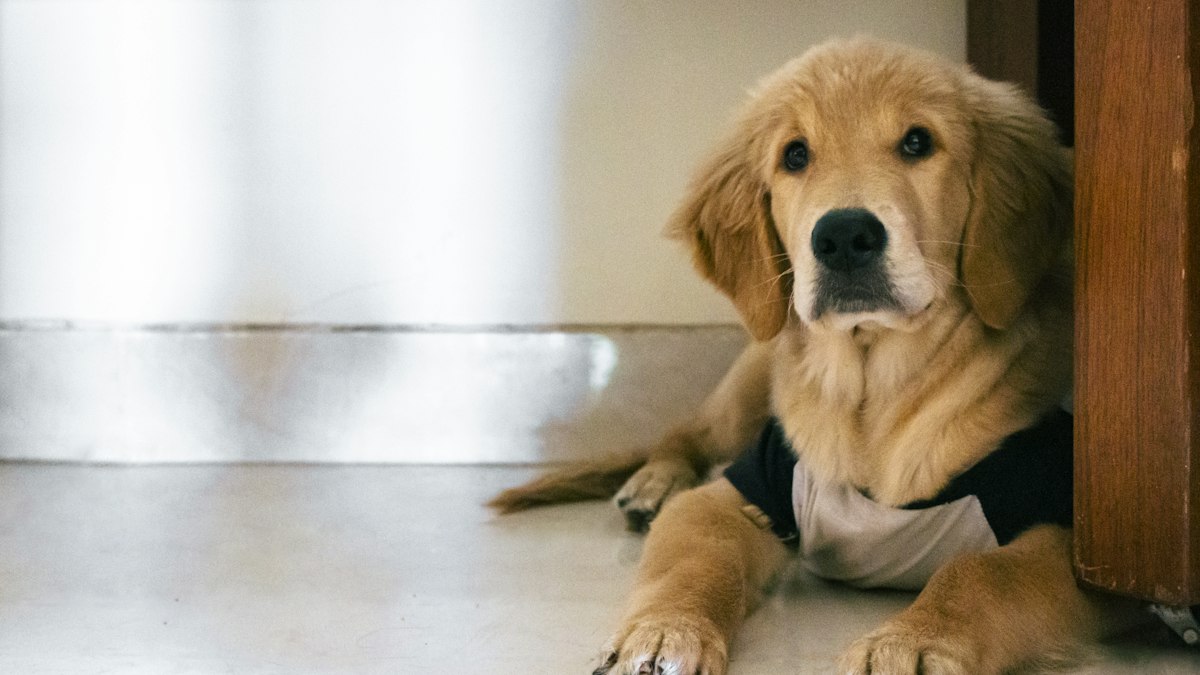
If your dog is afraid of fireworks, you already know the signs: the trembling, the panting, the frantic search for somewhere to hide. Firework nights can be some of the hardest of the year for a sound-sensitive dog. The good news is that a bit of preparation, a calm plan for the night itself and some gentle training in the quieter months can make a real difference.
Quick answer
Give your dog a safe, darkened den, walk them early before the noise starts, close windows and curtains, and play steady background sound to soften the bangs. Stay close and calm, let them hide if they want to, and offer comfort freely. Then use the months between celebrations to build up calm associations with recorded firework sounds at very low volume. If your dog panics badly, talk to your veterinarian well before the next big date.
Why is my dog afraid of fireworks?
Why are so many dogs scared of fireworks?
Fireworks are loud, sudden, unpredictable and come from no visible source. Dogs hear a wider range of sounds than we do, and the flashes, smells and vibrations add to the confusion. To a dog, it can feel like the world has suddenly become dangerous.
Is it normal for a dog to be afraid of fireworks?
Yes, it is very common. Many dogs show at least mild worry, and a good number become truly frightened. It is not a sign that your dog is weak or badly raised.
Can a dog suddenly become afraid of fireworks?
It happens. One bad experience, such as a firework going off close by, can be enough to create a new fear. Older dogs can also become more sensitive to noise as they age, and pain or illness can make any dog jumpier.
Are some dogs more likely to fear loud noises?
Some dogs are simply more sensitive by nature, and dogs who missed out on gentle exposure to everyday sounds as puppies often struggle more. Dogs who already worry when left alone may also react more strongly. If that sounds familiar, our guide on how to help a dog with separation anxiety is worth a read.
Will my dog grow out of the fear?
Usually not on its own. Without help, noise fears tend to stay the same or get worse with each season. With patient training, most dogs can become noticeably calmer.
Signs your dog is scared of fireworks
What does fear of fireworks look like in a dog?
Common signs include shaking, panting, pacing, drooling, ears pinned back, tail tucked and wide eyes. Some dogs bark, whine or howl. Others go very still and quiet, which is easy to miss.
Why does my dog hide during fireworks?
Hiding is a normal way of coping. Under the bed, behind the sofa or in the bathtub can feel safer because the space is small and enclosed. Let them stay there rather than pulling them out.
Why does my dog try to escape during fireworks?
A panicking dog may try to run from the noise, and some will dig, chew at doors or jump fences. This is why firework nights see so many lost dogs. Secure doors, gates and windows, and check that ID tags and microchip details are up to date.
Why won’t my dog eat during fireworks?
Fear switches off appetite. A dog who refuses a favourite treat is telling you they are very stressed. Feed the main meal earlier in the day so they are not missing out.
Why does my dog bark at fireworks?
Barking can be an alarm call, a sign of fear, or an attempt to drive the noise away. Telling your dog off will only add to the stress. For general tips on night-time noise, see how to stop dog barking at night.
How to help a dog who is afraid of fireworks on the night
A simple routine works better than improvising once the bangs start. Here is a plan you can follow.
- Walk early. Take your dog out for a walk and a toilet break while it is still light, well before the fireworks begin.
- Feed earlier. Give the evening meal a little earlier than usual, since many dogs will not eat once the noise starts.
- Secure the house. Close and lock doors, gates and windows. Check the garden fence and keep your dog on a lead for any late toilet trips.
- Set up a den. Use a covered crate, a quiet corner or a spot your dog already likes. Add bedding and an item that smells of you.
- Close the curtains and turn on the lights. This reduces the flashes and makes the outside world feel further away.
- Add steady background sound. Music, the radio or a fan can help mask the sharpest bangs.
- Offer something to do. A long-lasting chew or a stuffed food toy can give a mildly worried dog something calming to focus on.
- Stay home and stay calm. Sit nearby, speak softly, and let your dog choose whether to come to you or hide.
Should I comfort my dog during fireworks?
Yes. Comforting a frightened dog does not reinforce fear. If your dog comes to you for reassurance, gentle stroking and a calm voice are fine. Just try to keep your own mood relaxed, because dogs pick up on our tension.
Should I leave my dog alone during fireworks?
If you possibly can, no. Being alone during a frightening event can make the fear much worse and can even trigger worry about being left. If you must go out, ask a person your dog trusts to stay with them.
Is a crate a good idea during fireworks?
For dogs who already love their crate, a covered crate can be a great den. Leave the door open, though. Shutting a panicking dog in a crate can lead to injury as they try to get out.
Does music help dogs during fireworks?
Steady, gentle music or white noise can soften the sudden peaks of sound. It will not block everything, but it often takes the edge off. Start the sound before the fireworks begin so it does not become linked with the bangs.
Do calming wraps or snug coats help?
Some dogs seem to find gentle, even pressure soothing. Introduce any wrap on calm days first so it feels normal. If your dog freezes or seems uncomfortable wearing it, take it off.
Can I play with my dog during fireworks?
If your dog is only a little unsettled, a calm game or some easy training with treats can be a nice distraction. A truly frightened dog will not want to play, and that is fine. Never force it.
What should I avoid doing during fireworks?
Do not scold, punish or drag your dog out of hiding. Do not take them to a firework display or let them out alone in the garden. Avoid lots of fussing and loud excitement, which can add to the feeling that something is wrong.
Preparing your dog for firework season
When should I start preparing for fireworks?
Ideally several weeks or even months before the main dates. Fear of sounds is easiest to work on when there is no real noise around. If the season has already started, focus on managing the nights calmly.
How do I set up a safe den for my dog?
Pick a quiet interior room, away from windows if possible. Make it cosy with a blanket over a crate or a table, soft bedding and a few chews. Let your dog use it on ordinary days so it already feels like their own spot.
How can I get my dog used to firework sounds?
Play recorded firework sounds at a volume so low your dog barely notices, while giving treats or doing something they enjoy. Over many short sessions, raise the volume very slowly. If your dog shows any sign of worry, go back to a quieter level.
How long does sound desensitisation take?
It varies a lot. Some dogs improve in a few weeks, others need months of short, regular sessions. Going slowly is faster in the long run than pushing too hard and scaring your dog.
Do recorded sounds always work?
They help many dogs, but recordings cannot copy the vibration or flashes of the real thing. Think of them as one useful part of the plan, alongside a safe den and good management on the night.
Can enrichment toys help a dog with noise fear?
Licking and chewing are naturally calming for many dogs. Puzzle feeders, lick mats and stuffed toys can help in the build-up and on mild nights. You can find ideas in our enrichment picks.
Fireworks, sleep and the next day
How do I help my dog sleep on fireworks night?
Keep the den set up near where you sleep, keep background sound going, and expect a later night than usual. A dog who has been on high alert may take a while to wind down. Our guide on how to help a dog settle at night has more bedtime ideas.
How long does it take a dog to recover after fireworks?
Many dogs bounce back by the next morning, but some stay jumpy for a day or more. A quiet day with gentle walks, sniffing and rest helps. Watch out for stray late fireworks on the following evenings.
Why is my dog still scared the day after fireworks?
Stress hormones take time to settle, and your dog may now be expecting more bangs. Keep routines predictable and avoid busy, noisy places for a few days.
Is my dog scared of other noises too now?
Fear of one loud sound can spread to others, such as thunder, car backfires or slamming doors. If you notice this, start gentle sound training early and mention it to your vet.
Common questions about dogs and fireworks
Should I take my dog to a fireworks display?
No. Even dogs who seem relaxed at home can panic in a crowd with bangs overhead. Leave them at home in their den with someone they trust.
Can I walk my dog during fireworks?
It is best not to. A sudden bang can make even a calm dog bolt, slip a collar and run. If you must go out for a toilet break, keep it short, stay on the lead and use a well-fitted harness.
Is it okay to use punishment if my dog barks or panics?
No. Punishment adds pain or fear on top of fear and usually makes things worse. Shock, prong and choke collars should never be used, especially on a frightened dog. Kind, reward-based methods work better and keep your dog trusting you.
Do puppies get scared of fireworks?
Puppies can, and early experiences matter. Gentle, positive exposure to everyday sounds at low volume helps set them up for life. Keep your puppy’s first firework season calm and comforting.
What if I live where fireworks happen often?
In areas with frequent celebrations, keep the den permanently set up and continue regular low-level sound training. Plan walks for quieter times and keep an eye on local event calendars.
When to call your vet or a qualified behaviourist
When is fear of fireworks a problem for the vet?
Speak to your veterinarian if your dog panics, injures themselves, tries to break out, or stays fearful for days afterwards. Also check in if the fear came on suddenly, as pain or illness can play a part.
Can my vet help with firework anxiety?
Yes. Your vet can check for health issues and talk you through options that may help on the worst nights. Book this conversation well in advance of the season, as some approaches need time to trial. Never give your dog human medicine.
Who else can help with noise fears?
A qualified reward-based trainer or a veterinary behaviourist can build a step-by-step plan for your dog. This is especially useful if your dog also struggles with other fears. Browse our separation anxiety and fear guides and our dog problem solutions for more help.
Breeds that often deal with this
Any dog can fear fireworks, but sensitive breeds and dogs with very sharp hearing often react more strongly to loud bangs. Breed pages explain how to support each one.
- Border Collie: highly sensitive to sound and often reactive to sudden noises.
- Australian Shepherd: a sensitive herding breed that can be startled by loud bangs.
- German Shepherd: alert and noise-aware, so fireworks may cause real stress.
- Cavalier King Charles Spaniel: a gentle, people-focused dog that may seek comfort during noise.
- Italian Greyhound: a sensitive, light-framed breed that can be easily startled.
Browse all dog breed guides.
Is your dog afraid of fireworks too?
You are far from the only owner sitting on the floor next to a shaking dog on a noisy night. Tell us what has helped your dog, or what you are still struggling with, in the dogs.solutions community. Your experience might be exactly what another owner needs to hear before the next firework season.