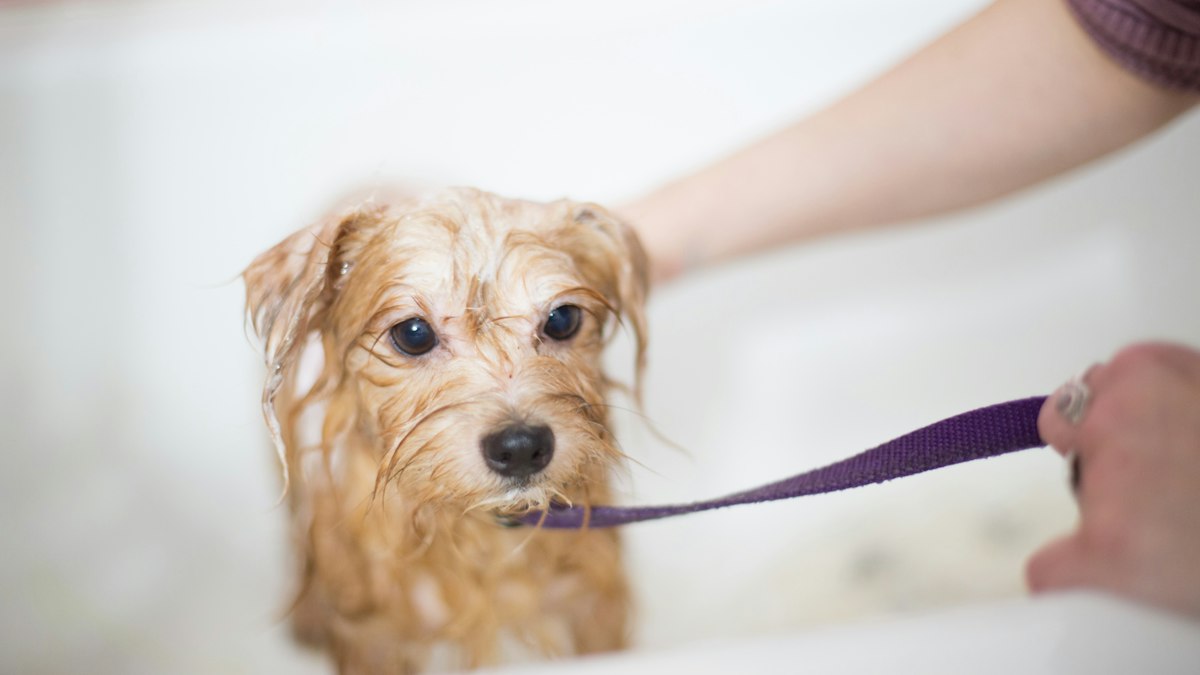
You cannot stop a healthy dog from shedding, but you can control how much of that hair ends up on your floors, clothes and sofa. The best ways to control dog shedding at home come down to a steady brushing routine, sensible bathing, good nutrition and a few smart cleaning habits. Here are clear, short answers to the questions owners ask most.
Quick answer: the best ways to control dog shedding
Brush your dog several times a week with a tool that suits their coat, and daily during seasonal “blowouts”. Bathe only as often as needed with a dog shampoo, then dry and brush thoroughly. Feed a complete, balanced diet, keep up with parasite prevention and check the skin for problems. At home, use washable covers and short, regular cleaning. Our main dog shedding guide gives the full background.
A simple weekly routine to control dog shedding
- Brush outside or on an old sheet. Aim for 5 to 10 minutes, three or more times a week. Go with the direction of hair growth.
- Use the right tool for the coat. A slicker brush and undercoat rake for double coats, a rubber curry mitt for short coats, a pin brush and comb for long coats.
- Reward calm behaviour. Give treats during brushing so your dog learns to enjoy it. Keep early sessions short.
- Bathe when needed. Use a dog-specific shampoo, rinse very well, and dry completely before brushing again.
- Check skin and coat. While brushing, look for redness, flakes, lumps, fleas or bald patches.
- Clean the hotspots. Wash dog bedding and throws weekly, and vacuum the rooms your dog uses most.
- Adjust by season. In spring and autumn, brush daily until the heavy shed settles.
Understanding dog shedding
Why do dogs shed?
Shedding is how dogs replace old or damaged hair. Most dogs lose some hair all year, with bigger sheds as daylight and temperature change.
Is it normal for my dog to shed a lot?
For many breeds, yes. Double-coated dogs like huskies, shepherds and retrievers naturally drop large amounts, especially in spring and autumn. Sudden or patchy loss is a different story.
What is a coat “blowout”?
It is when a double-coated dog sheds much of its undercoat over a few weeks. Hair comes out in tufts, and daily brushing is the best way to manage it.
Do indoor dogs shed all year round?
Often, yes. Artificial light and heating can blur the seasons, so many indoor dogs shed steadily instead of in two clear bursts.
Do short-haired dogs shed less?
Not always. Many short-haired breeds shed constantly, and their stiff little hairs can be harder to remove from fabric than long, soft ones.
Are there dogs that do not shed at all?
All dogs lose some hair. Some breeds with continuously growing hair drop very little, but they need regular grooming and trims instead.
Brushing: the best way to control dog shedding at home
How often should I brush a dog that sheds?
Three to four times a week suits most dogs. During heavy seasonal shedding, a short daily brush keeps hair under control.
What brush is best for a double-coated dog?
An undercoat rake or de-shedding tool removes loose undercoat, and a slicker brush finishes the top coat. Use gentle pressure and do not overdo de-shedding blades, which can irritate skin. See tool types on our shedding tools page.
What brush works for short-coated dogs?
A rubber curry mitt or rubber brush is ideal. It lifts loose hair and most dogs enjoy the massage feeling.
How do I brush a dog who hates being brushed?
Go slowly. Touch the brush to your dog, give a treat, and stop. Build up to a few strokes, then a few more. Never hold your dog down or scold them; that makes grooming harder long term.
Is it OK to shave a double-coated dog to stop shedding?
Generally no. Shaving does not stop shedding and can affect how the coat regrows and protects against heat, cold and sun. Talk to your vet or a professional groomer first.
Should I take my dog to a groomer for shedding?
A professional de-shedding treatment can help during heavy seasons. Regular brushing at home is still what makes the biggest difference week to week.
Can I brush my dog too much?
Yes, especially with de-shedding blades or slicker brushes pressed too hard. Watch for redness or irritation, and stop once the brush is mostly coming away clean.
Where is the best place to brush my dog?
Outside is ideal, so the hair blows away rather than settling indoors. Inside, brush on a washable sheet or a hard floor you can sweep straight after.
What time of day is best for brushing?
Pick a moment when your dog is calm, such as after a walk. A tired dog usually stands or lies still more happily than an excited one.
Should I brush a wet or dry coat?
Brush a dry coat for everyday grooming. After a bath, dry your dog fully and then brush, because damp loose hair tangles and clumps.
Shedding by coat type
How do I control shedding in a double-coated dog?
Focus on the undercoat. Work in sections with an undercoat rake, then finish with a slicker. Expect two big seasonal sheds a year and plan daily brushing then.
How do I control shedding in a short-haired dog?
Use a rubber curry mitt in circular motions, then wipe the coat with a damp cloth to pick up loose hairs. Do it often, because short coats shed steadily all year.
How do I manage a long-haired dog that sheds?
Comb through to the skin with a wide-tooth comb, then a pin brush. Pay attention to tangle-prone spots like behind the ears, the armpits and the back legs.
What about mixed-breed dogs?
Look at the coat rather than the breed label. Feel for a soft, dense undercoat under the top hairs, and choose tools based on what you find.
Do low-shedding dogs need grooming too?
Yes, often more. Hair that does not fall out tends to mat, so these dogs need regular brushing and professional trims to stay comfortable.
Common shedding myths
Does shaving my dog stop shedding for good?
No. The hair still grows and falls out, just shorter. For double coats, shaving can cause more problems than it solves.
Will a raw or special diet stop shedding?
No diet stops normal shedding. A balanced diet supports a healthy coat, and any big diet change should be discussed with your vet first.
Does bathing every week stop shedding?
Frequent baths can actually dry the skin and make the coat worse. Regular brushing does far more than extra baths.
Bathing, diet and health
Does bathing reduce shedding?
A bath followed by a thorough dry and brush releases a lot of loose hair at once. Too many baths can dry the skin, so stick to what your dog actually needs.
How often should I bathe a shedding dog?
For many dogs, every four to eight weeks is a rough guide, or when they are dirty. Your vet or groomer can advise for sensitive skin.
Can I use human shampoo on my dog?
No. Human shampoo is made for a different skin pH and can irritate a dog’s skin. Use a mild shampoo made for dogs.
Does diet affect dog shedding?
Yes. A complete, balanced diet supports healthy skin and coat. A poor diet can mean a dull coat and extra shedding.
Should I give my dog supplements for shedding?
Ask your vet first. Some dogs benefit from coat-support products, but the right choice depends on your dog’s health and current food.
Does water intake matter for coat health?
Good hydration supports overall health, including skin. Keep fresh water available at all times.
Can fleas make my dog shed more?
Yes. Fleas and other parasites cause itching and scratching, which damages hair and skin. Keep up with the parasite prevention your vet recommends.
Can allergies cause heavy shedding?
Allergies often cause itching, licking and hair loss. If you notice those signs, read why your dog is scratching so much and book a vet check.
Controlling dog hair around the home
What is the easiest way to keep dog hair off furniture?
Washable covers and a designated dog blanket catch most of it. For cleaning methods, see how to get dog hair off a couch.
How do I handle dog hair in the car?
Use a seat cover or hammock and brush your dog before trips. Our step-by-step guide on how to remove dog hair from car seats covers the cleanup.
How often should I vacuum with a shedding dog?
Several times a week in main living areas is realistic for most homes. Short, frequent sessions beat one long weekly clean.
Do air purifiers help with dog shedding?
They capture dander and fine particles in the air, which some owners find helpful. They do not replace brushing or vacuuming.
Is a robot vacuum useful with a shedding dog?
Many owners find a robot vacuum running daily keeps floors noticeably better between proper cleans. It will not reach sofas or stairs, so you still need a handheld for those.
Do hard floors make shedding easier to manage?
Hair is more visible on hard floors but much easier to sweep or vacuum up. Rugs hide hair but hold on to it, so they need more frequent deep cleaning.
Should I wash my dog’s bed every week?
Weekly washing is a good habit for a shedding dog. Shake the bed outside first so hair does not clog your washing machine.
How do I stop dog hair getting on my clothes?
Keep a lint roller by the door, brush your dog before cuddles and store clothes away from dog-accessible areas. Dark and light fabrics show hair differently, so pick what suits your dog’s coat.
For a full room-by-room routine, see our guide on how to keep your home clean with a shedding dog.
When to call a veterinarian about shedding
Most shedding is normal. Still, the coat often reflects how the body is doing, so some changes deserve a professional look.
When should I worry about my dog’s shedding?
See your vet if you notice bald patches, sores, redness, scabs, strong odour, greasy or flaky skin, or shedding that is suddenly much heavier than usual.
Can stress cause my dog to shed more?
Yes. Some dogs shed more when stressed. If your dog seems anxious often, a vet, a qualified reward-based trainer or a veterinary behaviourist can help.
Can older dogs shed differently?
Coats can change with age, and some health conditions in older dogs affect the skin. Mention any coat changes at your senior dog’s regular check-ups.
Could hormones affect shedding?
Hormonal changes, including after having puppies, can trigger heavier shedding. Some hormone-related conditions also affect the coat, which only a vet can diagnose.
What should I tell my vet about shedding?
Note when it started, where hair is lost, any itching, changes in appetite or energy, and recent changes in food or routine. Photos help too.
Breeds that often deal with this
All dogs with hair shed to some degree, but double-coated breeds and those with thick undercoats shed far more than others. Each breed page explains the grooming routine that suits that coat.
- Siberian Husky: a thick undercoat that sheds in big seasonal bursts.
- German Shepherd: a classic heavy shedder that benefits from regular brushing.
- Labrador Retriever: a dense, water-resistant coat that sheds all year.
- Golden Retriever: needs regular brushing to manage its feathered coat.
- Samoyed: a fluffy double coat that needs frequent grooming.
- Great Pyrenees: a large, thick-coated breed that sheds generously.
Browse all dog breed guides.
Is your dog having the same problem?
Shedding feels endless at times, and other owners with the same breed often have the routine that finally works. Share your dog’s coat type and your best (or worst) shedding moments in our dog owners community. You can also find more quick fixes in our solutions hub.
Leave a Reply
You must be logged in to post a comment.