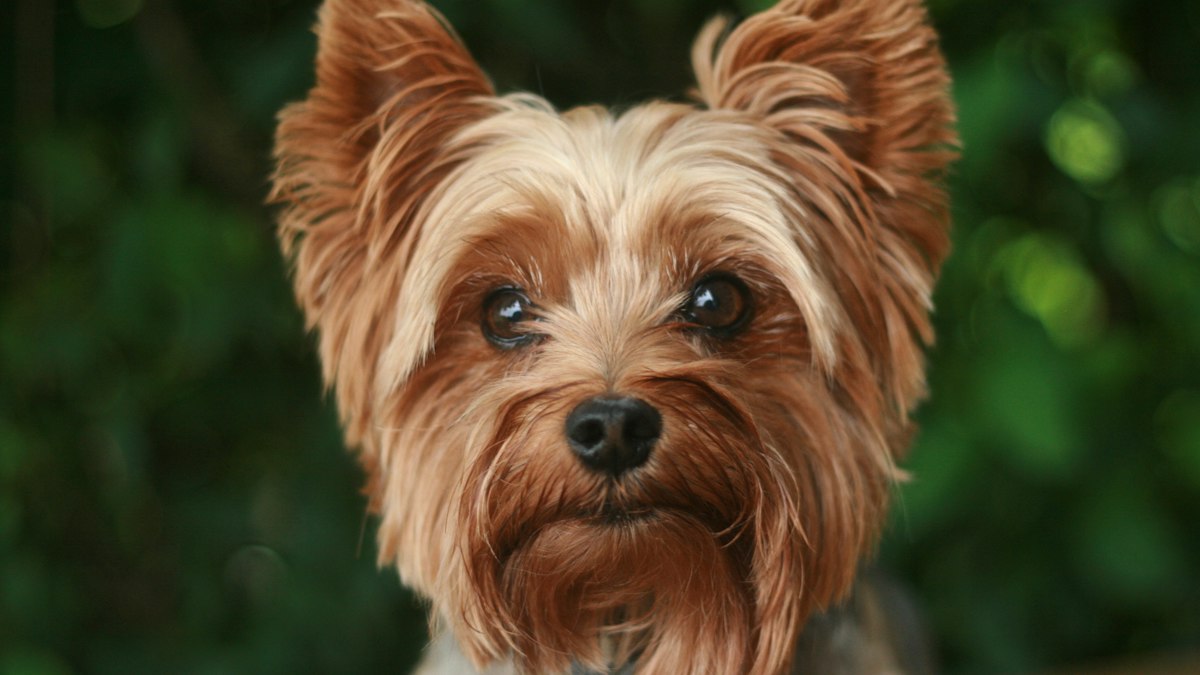
The Yorkshire Terrier, or Yorkie, is a tiny terrier with a silky coat, a brave heart and a lot of opinions. Owners love their loyal, lively and affectionate nature, but they often struggle with barking, potty training, coat care, dental care and a small dog who acts like a big one.
Yorkshire Terrier at a glance
- Size: toy; very small and delicate, so they need protection from falls and rough handling.
- Energy level: moderate; playful and busy, but their needs are easy to meet with short walks and indoor games.
- Shedding level: low; the silky coat sheds little but tangles easily without regular brushing.
- Barking tendency: high; many Yorkies are quick to alert you to every sound.
- Good for first-time owners: with work, especially around barking, house training and grooming.
- Time alone tolerance: low to moderate; Yorkies bond closely with their people and may get vocal when alone.
Common Yorkshire Terrier problems and solutions
Why does my Yorkie bark so much?
Yorkies were originally bred as ratters and they still have a terrier’s alert nature. Reward quiet moments, block busy window views and teach a “quiet” cue. Our guide on why dogs bark at everything walks you through it, and dog barking at neighbors helps in apartments.
Why is my Yorkie so hard to potty train?
Tiny bladders, cold weather and accidents that are easy to miss all make house training harder for toy breeds. Take your Yorkie out frequently, reward immediately and consider a consistent indoor potty spot for bad weather. See puppy keeps peeing in the house and house-trained dog having accidents.
Do Yorkies shed?
Yorkies shed very little, which many owners love. However, their fine, silky coat tangles easily, so it needs regular brushing. For general fur and cleaning tips, see our dog shedding guide.
How often should I groom my Yorkie?
A long coat needs daily brushing, while a short “puppy cut” can be brushed a few times a week. Most owners book a professional groom every several weeks. Tie up or trim the hair above the eyes so it does not irritate them. Use a light spray of water or a dog detangler before brushing to protect the fine coat, and work through knots gently with your fingers first.
Why does my Yorkie bark at the door?
Yorkies love to announce visitors. Teach your dog to go to a bed or mat when the doorbell rings and reward calm. Our article on a dog that won’t stop barking at the door has a full plan.
Why does my Yorkie bark at bigger dogs?
Many small dogs bark or lunge at bigger dogs because they feel vulnerable up close. Keep distance, reward calm behaviour, skip on-leash greetings and choose quieter walking routes while you build confidence. Read our guide on a reactive dog on walks.
Why does my Yorkie follow me everywhere?
Yorkies are devoted companions and love being close to their person. Teach your dog to relax on a bed while you move around the house. Read why dogs follow you everywhere.
Does my Yorkie have separation anxiety?
Some Yorkies whine or bark when left alone, especially if they are rarely apart from their owners. Practise short absences, leave a food puzzle, keep departures and returns calm, and try a cosy pen with a favourite blanket. Our guide on helping a dog with separation anxiety explains how to build up gradually.
Why is my Yorkie a picky eater?
Many toy dogs are fussy, especially if they get lots of treats or table scraps. Offer meals at set times, pick the bowl up after a short while, limit extras and avoid frequent food changes. Read why a dog refuses to eat, and call your vet if a small dog skips several meals, since tiny dogs can be affected quickly.
Is a Yorkie good in an apartment?
Yorkies are a great size for apartment living and can get much of their exercise indoors. The main challenge is barking, so start quiet training early and give plenty of walks and play.
Why does my Yorkie shake or shiver?
Tiny dogs with fine coats can get cold easily, and excitement or nerves can also cause shivering. Provide a sweater or coat in cold weather, a warm bed away from drafts and towel-dry your Yorkie well after baths. If shaking comes with other symptoms, talk to your vet.
Why does my Yorkie pull on the leash?
Even tiny dogs pull, and pressure on the neck is a concern for small breeds. Many owners use a well-fitted harness and reward walking beside them. See how to stop a dog pulling on the leash.
Training tips for a Yorkshire Terrier
- Train your Yorkie like any other dog: teach sit, down, stay, recall and loose-leash walking with rewards.
- Use tiny, soft treats and short, fun sessions a few times a day.
- Stick to a strict potty schedule and reward every success outside or on the chosen spot.
- Teach a “go to your bed” cue to manage door barking and excitement.
- Socialise gently with calm people, dogs and places, and let your Yorkie approach at its own pace.
- Avoid carrying your Yorkie everywhere; let it walk and explore safely to build confidence.
- Make grooming and tooth brushing a daily, rewarded routine from puppyhood.
Health questions owners ask
Do Yorkies have dental problems?
Small mouths often lead to crowded teeth, so dental care is a very common topic for Yorkies. Brushing teeth regularly, starting slowly with a finger brush and lots of praise, and scheduling checkups are good habits. Talk to your vet about a dental routine.
Are Yorkies prone to knee problems?
Kneecap issues are frequently discussed in toy breeds, including Yorkies. Keeping a healthy weight, using pet steps for the sofa or bed and limiting jumps from high furniture are common precautions. Talk to your vet if you notice skipping or limping.
Why does my Yorkie make a honking sound?
Honking or goose-like coughing is something many toy breed owners ask about, often in relation to the windpipe. Using a harness instead of a collar and avoiding pulling on walks are common choices. Talk to your vet to find out what is causing it.
Why is my Yorkie scratching so much?
Itchy skin can have many causes, from dry skin to allergies. Read why dogs scratch so much, and talk to your vet if scratching continues.
Is a Yorkshire Terrier right for you?
Is a Yorkie good for apartment living?
Yes, Yorkies are among the most apartment-friendly breeds, as long as barking is managed and they get daily walks and play. Puzzle toys and short indoor training games help on rainy days.
Are Yorkies good with kids?
Yorkies can be loving with gentle, older children. Because they are tiny and fragile, they may not suit homes with toddlers or very boisterous kids. Teach children to sit on the floor to hold the dog, and always supervise.
Do Yorkies get along with other pets?
Many Yorkies live happily with other dogs and cats when introduced slowly, and some enjoy having a small canine friend. Watch play with larger dogs closely to avoid injuries, and remember their terrier instincts may make hamsters, birds and other small pets tempting.
Is a Yorkie a good first dog?
It can be for a first-time owner who is ready for grooming, patient potty training and barking work. Compare with the Maltese, Pomeranian or Shih Tzu in our breed guide.
Related guides
- Barking problems and solutions
- Potty training guides
- Separation anxiety help
- Dog afraid of fireworks
- Potty training supplies
- Small dog harnesses
Share your Yorkshire Terrier experience
Does your Yorkie rule the house or bark at every leaf? Share your tips with other owners in the dogs.solutions community, and explore more breeds in our breed guide.