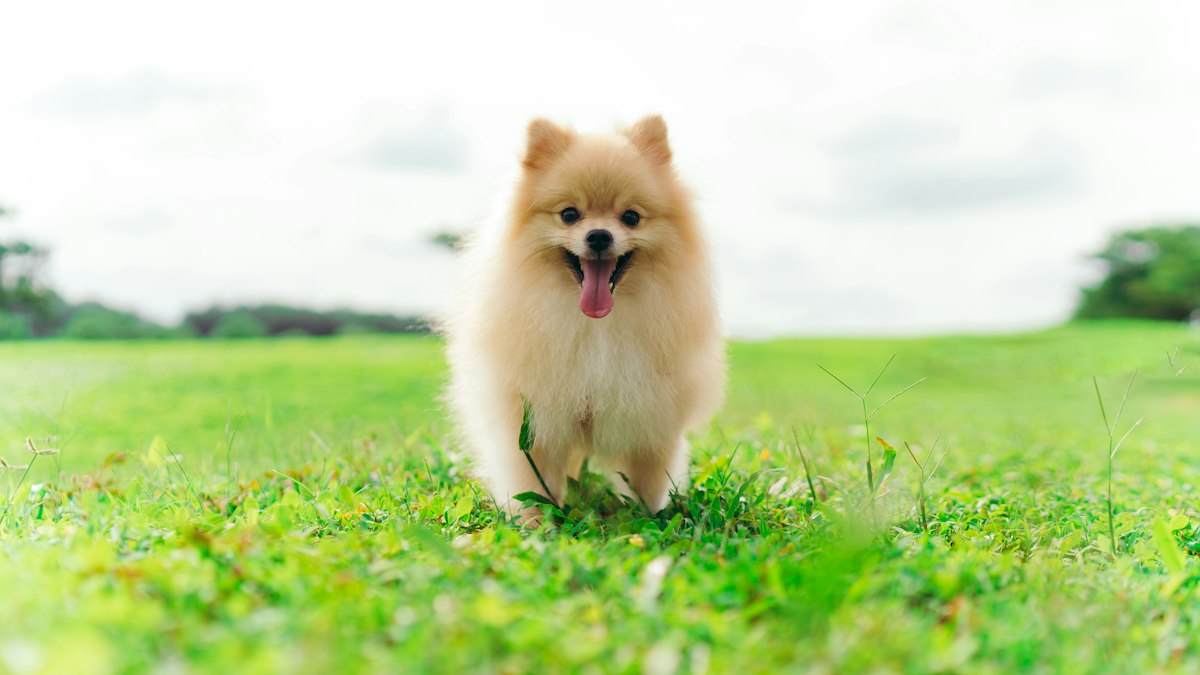
The Pomeranian is a tiny, fluffy spitz with a bold attitude and a big voice for its size. Owners adore their lively, affectionate Pom, but they often struggle with barking, house training, coat care and a little dog who acts like it is ten times bigger.
Pomeranian at a glance
- Size: toy; small and light, which makes them fragile around rough play and falls.
- Energy level: moderate; playful and alert, but daily needs are easy to meet with short walks and indoor games.
- Shedding level: moderate to high, with a thick double coat that sheds seasonally.
- Barking tendency: high; many Poms are quick to alert to every sound.
- Good for first-time owners: with work, mainly around barking, potty training and grooming.
- Time alone tolerance: low to moderate; many Poms bond closely and can get vocal or anxious when left for long periods.
Common Pomeranian problems and solutions
Why does my Pomeranian bark so much?
Poms are natural alarm dogs, and small dogs often bark to feel safer. Reward quiet moments, block the view of busy windows and teach a “thank you, quiet” cue. Our guide on why dogs bark at everything explains the training step by step.
Why is my Pomeranian so hard to potty train?
Toy breeds have small bladders and accidents are easy to miss on carpet. Take your Pom out often, use a consistent spot, reward immediately and consider an indoor potty area for cold or rainy days. See puppy keeps peeing in the house for a routine that works.
Why does my Pomeranian bark at other dogs on walks?
Many small dogs bark because big dogs feel scary up close. Keep distance, reward your Pom for looking at you, and build confidence slowly. Read our guide on a reactive dog on walks.
Do Pomeranians shed a lot?
Yes, that fluffy coat sheds, and seasonal coat blows can be dramatic. Brush a few times a week down to the skin to prevent mats. Our tips on controlling dog shedding help keep fur under control. Shaving a double coat is generally not recommended, as the coat helps with temperature control and may not grow back the same way. A tidy trim by a groomer plus regular brushing is usually a better choice. Pay extra attention behind the ears, under the legs and around the tail, where mats form first.
Why does my Pomeranian follow me everywhere?
Poms are companion dogs and many love being close to their person. That is fine, but teach short periods of independence on a mat or bed. Our article on why dogs follow you everywhere has practical ideas.
Why does my Pomeranian cry or bark when I leave?
Some Poms struggle to be alone. Start with very short absences, give a food puzzle as you leave and keep departures calm. Read why dogs bark when you leave for a gradual plan.
Is a Pomeranian good in an apartment?
Size-wise, Poms are a great apartment fit. The main challenge is barking, so start quiet training early and give your Pom enough play to stay content. Hallway noises are a common trigger, so practise rewarding calm when you hear footsteps or doors closing.
Why does my Pomeranian refuse to eat?
Some toy dogs are picky eaters or skip meals when stressed. Keep a routine, avoid too many treats and do not leave food out all day. Our guide on why a dog refuses to eat covers when to call your vet.
Why does my Pomeranian pull on the leash?
Small dogs pull too, and a collar can put pressure on a delicate neck. Many owners prefer a comfortable harness and reward walking beside them. Short, frequent walks with plenty of sniffing time are often more satisfying for a Pom than long marches. See how to stop a dog pulling on the leash.
Why does my Pomeranian growl when I pick it up?
Some small dogs dislike being scooped up suddenly, especially if it has been uncomfortable before. Ask before lifting with a cue like “up”, support the chest and back legs, and reward calm. If growling appears suddenly, check for pain with your vet.
Why does my Pomeranian jump on everyone?
Small dogs often get away with jumping because it seems cute, so the habit grows. Ask guests to greet only when all four paws are on the floor and reward sitting instead. Our guide on why dogs jump on everyone explains how.
Why is my Pomeranian scared of fireworks and storms?
Sensitive little dogs can find loud noises overwhelming. Create a cosy safe spot, close curtains and use background sound. Read our guide on a dog afraid of fireworks.
Training tips for a Pomeranian
- Treat your Pom like a real dog, not a toy: teach sit, down, stay and recall just as you would with a larger breed.
- Use tiny, soft treats and keep sessions short so your Pom stays keen.
- Reward calm behaviour at windows and doors before barking starts.
- Socialise gently with calm people, dogs and new places, letting your Pom approach at its own pace.
- Avoid picking your Pom up every time it feels nervous; instead create space and reward brave choices.
- Practise short alone-time sessions from puppyhood so being alone feels normal.
- Make grooming a positive routine with treats and gentle handling of paws, ears and coat.
Health questions owners ask
Are Pomeranians prone to knee problems?
Kneecap issues are commonly discussed in many toy breeds, including Poms. Keeping a healthy weight and limiting big jumps off furniture are common precautions. Talk to your vet if you notice skipping, hopping on three legs for a few steps, or limping.
Why does my Pomeranian make a honking sound?
Some small dogs make honking or snorting noises, and owners often ask about airway or windpipe concerns. Many prefer a harness to a collar. Talk to your vet to understand what is happening with your dog.
How do I take care of my Pomeranian’s teeth?
Small mouths can crowd teeth, so dental care is a frequent topic for toy breeds. Gentle tooth brushing, starting slowly with a finger brush and lots of praise, plus regular checkups help. Talk to your vet about a routine that suits your Pom.
Why is my Pomeranian losing hair?
Coat changes can happen for many reasons, from normal shedding to skin or health issues. Note when it started, where it is happening and whether your Pom is itching or licking. Talk to your vet for a proper check rather than guessing.
Is a Pomeranian right for you?
Is a Pomeranian good for apartment life?
Yes, if you can manage barking and offer daily walks and play. Their small size makes indoor exercise easy, and games like hide-and-seek with treats or short fetch sessions in a hallway burn energy on rainy days.
Are Pomeranians good with kids?
Poms can be loving family dogs, but their small size makes them easy to hurt by accident if dropped or squeezed. They often suit homes with older, gentle children best, always with supervision.
Do Pomeranians get along with other pets?
Many do well with calm pets when introduced slowly, and some Poms happily share a home with cats. Watch play with larger dogs carefully so your Pom does not get injured, and give it a safe place to retreat.
Is a Pomeranian a good first dog?
It can be, if you are ready for grooming, patient potty training and barking work. Compare with other small breeds like the Yorkshire Terrier or the Chihuahua before deciding.
Related guides
- Barking problems and solutions
- Separation anxiety help
- Potty training guides
- Dog shedding guide
- Dog barking at neighbors
- Potty training supplies
Share your Pomeranian experience
Does your Pom bark at every leaf or refuse to walk in the rain? Tell other owners what helped in the dogs.solutions community, and explore more breeds in our breed guide.