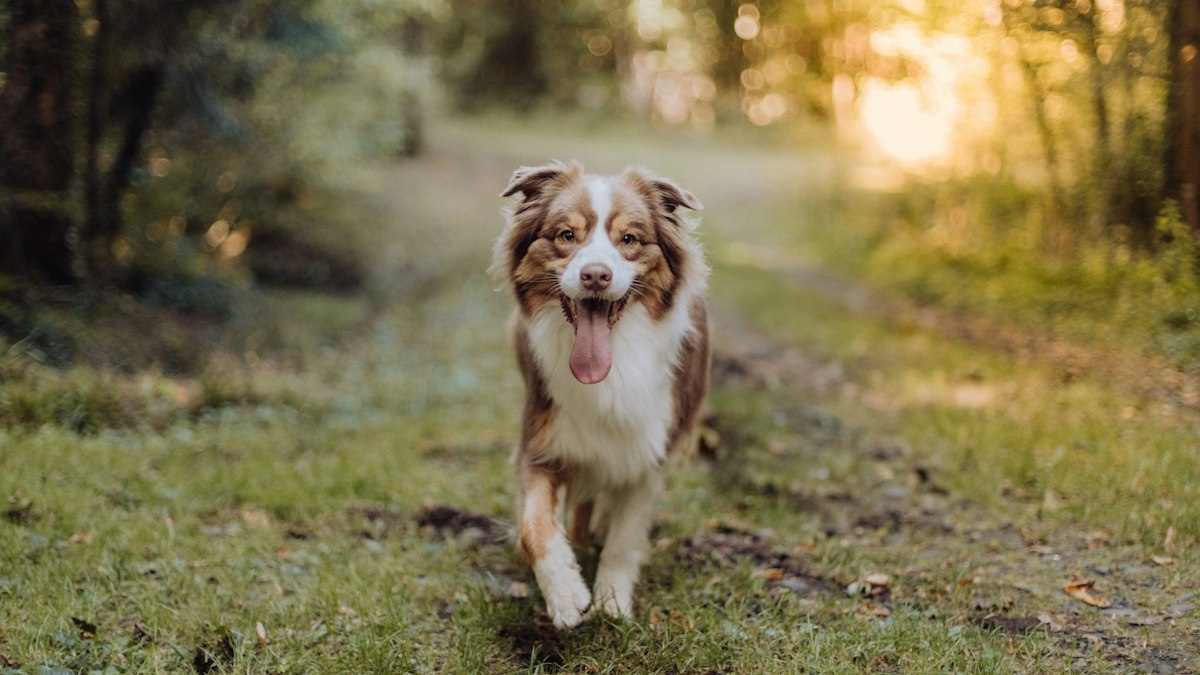
The Australian Shepherd is a smart, energetic and affectionate herding dog that loves to work closely with its people. Owners most often struggle with heavy shedding, boundless energy, herding behaviours like nipping and circling, and barking or chewing when the dog is bored or left alone.
Australian Shepherd at a glance
- Size: Medium, usually around 40 to 65 pounds.
- Energy level: High. Most need vigorous daily exercise and mental work.
- Shedding level: High, with heavy seasonal coat blows.
- Barking tendency: Moderate. Many bark to alert and when under-stimulated.
- Good for first-time owners: With work. Eager to learn, but needs time, training and activity.
- Time alone tolerance: Low to moderate. Aussies usually prefer to be with their people.
Common Australian Shepherd problems and solutions
Aussies are wonderful companions when their minds and bodies are busy. Here are the questions owners search for most, with short, practical answers.
Do Australian Shepherds shed a lot?
Yes. Their double coat sheds year-round and heavily in spring and fall. Brush a few times a week with an undercoat rake; see the best ways to control dog shedding. Never shave a double coat without advice, as the coat helps protect your dog from heat and cold.
How do I keep my home clean with an Aussie?
Brush outside when you can, wash bedding often and keep washable covers on furniture. The guide on keeping your home clean with a shedding dog has a simple routine. A short daily vacuum during coat-blowing season stops hair from building up in corners.
How do I remove Aussie hair from my car?
A rubber brush or damp glove lifts fur from seats faster than vacuuming alone, and a seat cover saves effort. Read how to remove dog hair from car seats.
Why does my Australian Shepherd nip at people?
Herding instincts can show up as nipping at heels or circling family members. Redirect to a toy, reward calm behaviour and offer herding-style games like fetch and treibball-style ball pushing. Teach family members to stand still if the dog starts herding, which removes the reward of movement.
How much exercise does an Australian Shepherd need?
Most adults need an hour or more of activity daily, mixed with training and brain games. Without it, they often invent their own jobs, such as barking or chewing. Fetch, hiking, swimming and short trick sessions spread through the day all count. Watch for heat on summer days and shift long outings to cooler hours.
Why does my Aussie bark so much?
Alert barking, boredom barking and excited barking are all common. Meet exercise needs first, then reward quiet; see why dogs bark at everything. Calm, consistent responses work better than shouting, which can make an excited dog even louder.
Why does my Aussie bark at the door?
Aussies like to announce visitors. Teach a “go to your mat” cue when the doorbell rings and reward calm; our guide on a dog that won’t stop barking at the door explains the steps.
Does my Australian Shepherd have separation anxiety?
Many Aussies bond tightly and dislike being left. Build alone time gradually and give a food puzzle when you leave; read how to help a dog with separation anxiety. Avoid long, emotional goodbyes and keep departures and returns calm and low-key.
Why is my Aussie scared of fireworks and storms?
Some Aussies are sound sensitive. Create a safe den, play calming background noise and see helping a dog afraid of fireworks; talk to your vet if fear is severe. Stay calm and close by, and let your dog hide if that is what helps.
Why does my Aussie pull on the leash?
Energetic dogs want to get places fast. Reward a loose leash and stop when it goes tight; see how to stop leash pulling. Let your dog sniff as a reward for walking nicely, which turns the walk itself into a training tool.
Why is my Aussie reserved with strangers?
Many Aussies are friendly with family but cautious with new people. Early, gentle socialisation with treat-giving visitors helps them feel at ease, and letting your dog choose when to approach builds confidence.
Why does my Aussie chew things when alone?
Chewing is often a sign of boredom or stress. Exercise before you leave, offer a stuffed food toy and build alone time slowly; see dog destroys things when alone.
Training tips for an Australian Shepherd
Aussies are quick learners that love a task. These reward-based steps help you build a calm, confident companion.
- Start early. Begin with name, sit, down and recall as soon as your puppy comes home.
- Train every day. Short sessions of tricks and obedience tire the mind as much as a long walk.
- Teach calm. Reward settling on a mat so your Aussie learns how to relax.
- Redirect herding. Swap nips for toys and reward gentle behaviour with kids and other pets.
- Socialise widely. Calm exposure to people, places and sounds reduces later wariness.
- Try a dog sport. Agility, herding classes or scent work give a satisfying outlet.
Health questions owners ask
This is general information only. Talk to your vet about your own dog’s health and any changes you notice.
Are Australian Shepherds prone to hip dysplasia?
Hip dysplasia is commonly discussed in this active breed. Ask breeders about health screening and talk to your vet about keeping joints healthy. Avoid heavy jumping with young puppies while their joints are still developing.
Do Aussies have eye problems?
Inherited eye conditions are often mentioned for Australian Shepherds. Watch for cloudy eyes or vision changes and talk to your vet about regular checks. Regular checks help catch changes early.
What is the drug sensitivity I hear about in Aussies?
Some herding breeds carry a gene linked to sensitivity to certain medications. Ask your vet whether testing is a good idea before any treatment.
Why is my Aussie scratching so much?
Skin irritation can hide under a thick coat. Read why your dog is scratching so much and talk to your vet.
Are Australian Shepherds prone to epilepsy?
Seizure disorders are sometimes discussed in this breed. If you ever see shaking, collapse or unusual episodes, keep your dog safe, note what happened and talk to your vet promptly.
Is an Australian Shepherd right for you?
An Aussie can be a loyal, fun-loving family dog in an active home with time to spare.
Can an Australian Shepherd live in an apartment?
It is possible with a lot of daily exercise and training, but most Aussies are happier with space and an active family. Busy hallways and neighbours can trigger alert barking, so plan training for that too.
Are Aussies good with kids?
Many are loving with children, but herding nips at running kids need management and supervision. Teach children calm games like hide-and-seek with treats instead of chase games. Always supervise young children and dogs together.
Do Australian Shepherds get along with other pets?
Most do well with other dogs and can live with cats when introduced slowly, though some will try to herd them. Reward calm behaviour around other pets and give everyone their own safe space. Most Aussies enjoy a playful dog friend with similar energy.
Is an Aussie good for first-time owners?
Yes, for an active first-time owner who will train daily. A puppy class is a great first step. Be ready for a lot of brushing, daily exercise and ongoing training throughout your dog’s life.
Related guides
These guides cover the issues Aussie owners mention most.
- Dog shedding solutions
- Barking solutions
- Separation anxiety help
- Grooming tools for heavy shedders
- Enrichment toys
- Compare with the Miniature American Shepherd
Share your Australian Shepherd experience
Raising an Aussie? Tell other owners what worked for you in our dogs.solutions community, or browse more breed guides to compare breeds. Your tips on shedding, exercise and training help new Aussie families get off to a great start.